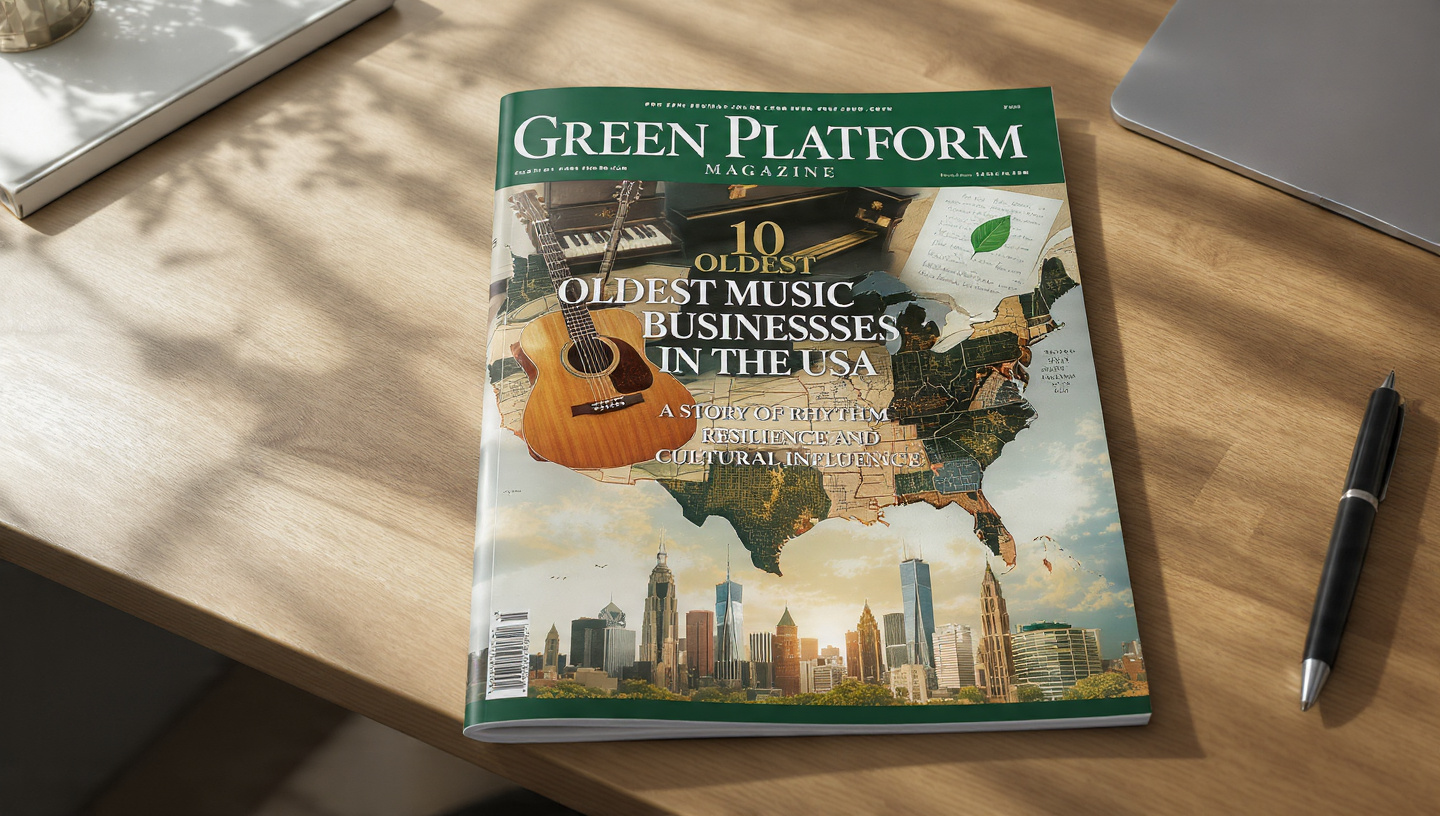
10 Oldest Music Businesses in the USA Still Operating Today (2026)

A story of rhythm, resilience, and cultural influence.


Before streaming playlists…
before digital recording studios…
before global concert tours…

There were businesses that helped shape the sound of America.

These companies survived market upheavals, format wars, technological revolutions, and changing tastes. Some began when phonographs were new, others when jazz and blues were emerging.

Like seasoned performers on a long tour, they adapted — and endured.

This is the story of ten of the oldest music businesses in the USA still operating today.


From historic instrument makers and long–running record labels to beloved performance venues and manufacturers that built the foundations of sound, these enterprises trace the arc of American music history.

Their technologies changed.
Their audiences changed.
Their formats changed.

They endured.


🎻 C.F. Martin & Company — Pennsylvania (founded 1833)

🌐 https://www.martinguitar.com

One of the world’s most iconic acoustic guitar makers, Martin has crafted instruments that defined folk, country, and rock music for nearly two centuries.

Survival strategy: master craftsmanship paired with cultural resonance.


🪕 Gibson — Tennessee (founded 1902)

🌐 https://www.gibson.com

A legendary name in electric and acoustic guitars, Gibson production has shaped the sound of blues, jazz, rock ’n’ roll, and pop worldwide.

Survival strategy: innovation and artist partnerships.


🎹 Steinway & Sons — New York (founded 1853)

🌐 https://www.steinway.com

Recognized globally for quality and prestige, Steinway pianos have been central to concert halls, recording studios, and music education programs for generations.

Survival strategy: uncompromising excellence.


🎼 Schirmer — New York (founded 1861)

🌐 https://www.schirmer.com

One of America’s oldest music publishers, Schirmer’s catalog helped disseminate classical and educational music across the country and the world.

Survival strategy: foundational cultural influence and education.


🥁 Gleason’s Gym (historic music events) — New York (founded 1937)

🌐 https://www.gleasonsgym.net

Though known primarily as a gym, Gleason’s hosted music events and became part of New York’s cultural fabric — drawing musicians, artists, and fans alike.

Survival strategy: community cultural engagement.


🎤 Shure — Illinois (founded 1925)

🌐 https://www.shure.com

Creators of legendary microphones and audio gear used by professional musicians and broadcasters worldwide.

Survival strategy: technical excellence and trusted reliability.


🎧 Gannett Outdoor Advertising — Virginia (founded 1906)

🌐 https://www.gannettoutdoor.com

While best known for advertising, Gannett also played a key role in promoting music events, concerts, and tours throughout the 20th century — bridging business and live entertainment.

Survival strategy: versatile contribution to music culture and exposure.


🎶 The Old Town School of Folk Music — Illinois (founded 1957)

🌐 https://www.oldtownschool.org

A beloved institution dedicated to folk music education, performance, and community participation, nurturing generations of musicians.

Survival strategy: cultural continuity and education focus.


🎷 Preservation Hall — Louisiana (founded 1961)

🌐 https://www.preservationhall.com

A centerpiece for traditional New Orleans jazz, Preservation Hall continues to present performances and preserve musical heritage.

Survival strategy: cultural preservation and iconic identity.


🎻 Symphony Hall Boston — Massachusetts (opened 1900)

🌐 https://www.bso.org/venues/symphony-hall

Home to the Boston Symphony Orchestra and one of the nation’s most historic performance venues, Symphony Hall remains a cornerstone of classical music.

Survival strategy: architectural excellence and cultural importance.


🌅 Closing Reflection

In nature, survival belongs not to the strongest —
but to the most adaptable.

Across America’s music industry, these businesses endured by blending tradition with innovation, craftsmanship with community, and cultural significance with economic resilience.

Their story carries a timeless lesson:

Longevity in music isn’t just about sound — it’s about staying relevant through generations of change.
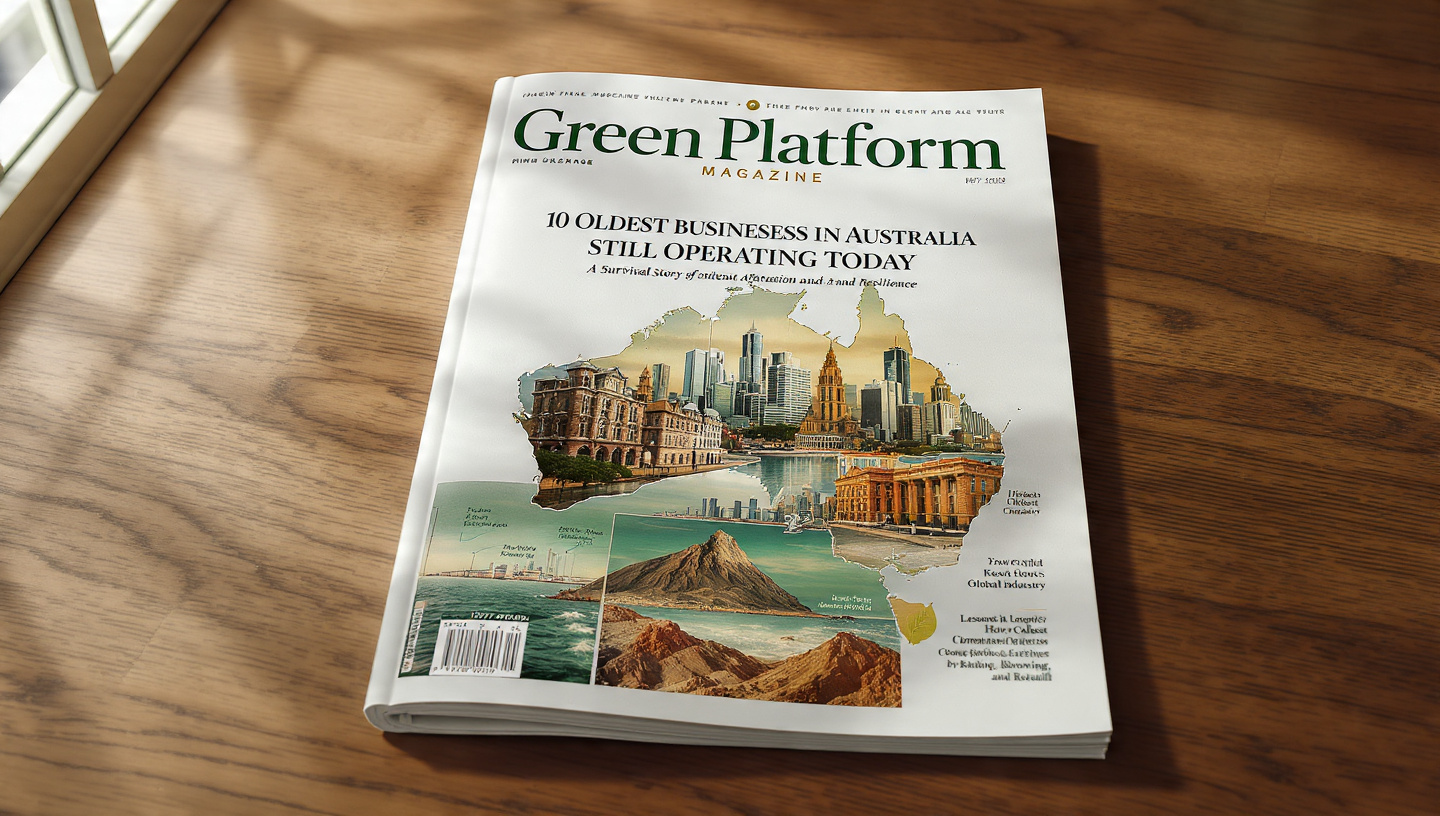
10 Oldest Businesses in Australia Still Operating Today (2026)

A survival story of settlement, adaptation, and resilience.


Before modern cities stretched across the coastline…
before railways crossed the outback…
before global trade reshaped the southern continent…

Some Australian businesses were already alive.

They survived colonial beginnings, gold rushes, world wars, economic cycles, and digital transformation. Like enduring species in a harsh environment, they adapted to shifting climates — geographic, cultural, and commercial.

This is the story of ten of Australia’s oldest businesses still operating today.


🌏 Setting the Scene

From Tasmania’s historic breweries to Sydney’s harbor-side insurers and Melbourne’s century-old retailers, these enterprises were born in a young nation facing vast distances and limited resources.

Their landscapes changed.
Their customers changed.
Their technologies changed.

They endured.


🍺 Cascade Brewery — Tasmania (founded 1824)

🌐 https://www.cascadebreweryco.com.au

Australia’s oldest operating brewery continues crafting beer beneath Mount Wellington, blending colonial heritage with modern brewing.

Survival strategy: preserving brand legacy while evolving production.


🛒 David Jones — New South Wales (founded 1838)

🌐 https://www.davidjones.com

From a small Sydney store to a national retail icon, David Jones adapted through retail revolutions while maintaining premium positioning.

Survival strategy: evolving consumer experience.


🏦 Westpac — New South Wales (founded 1817)

🌐 https://www.westpac.com.au

Originally the Bank of New South Wales, Westpac is Australia’s oldest bank, navigating centuries of financial change.

Survival strategy: institutional trust and modernization.


🛡️ AMP — New South Wales (founded 1849)

🌐 https://www.amp.com.au

AMP began as a mutual society and evolved into a major financial services provider.

Survival strategy: adapting protection products to modern finance.


🛠️ BHP — Victoria (founded 1885)

🌐 https://www.bhp.com

From silver mining in Broken Hill to a global resources giant, BHP scaled Australian industry onto the world stage.

Survival strategy: expansion through resource innovation.


🛍️ Myer — Victoria (founded 1900)

🌐 https://www.myer.com.au

Myer grew from a single Bendigo shop into a nationwide retail chain, adapting to changing shopping habits.

Survival strategy: reinvention of retail.


🏨 Hotel Windsor Melbourne — Victoria (opened 1883)

🌐 https://www.thehotelwindsor.com.au

Melbourne’s grand Victorian hotel has welcomed guests for over a century, blending heritage luxury with contemporary hospitality.

Survival strategy: location, elegance, and service continuity.


🧴 Fry’s Metals — Victoria (founded 1845)

🌐 https://www.frysmetals.com.au

One of Australia’s oldest manufacturers, Fry’s Metals evolved from colonial metal works into a modern industrial supplier.

Survival strategy: industrial specialization.


🥖 Arnott’s — New South Wales (founded 1865)

🌐 https://www.arnotts.com

Arnott’s biscuits became a household staple across generations, embedding themselves into everyday Australian life.

Survival strategy: mass-market cultural presence.


🚢 Burns Philp — New South Wales (founded 1883)

🌐 https://www.burnsphilp.com

Starting in shipping and island trade, Burns Philp expanded into food manufacturing and regional commerce.

Survival strategy: diversification across trade networks.


🌅 Closing Reflection

In nature, survival belongs not to the strongest —
but to the most adaptable.

Across Australia, these businesses endured by respecting their origins while embracing change. Some modernized finance. Others reshaped retail or scaled industry globally.

Their journey echoes a timeless truth:

Longevity is not about resisting change — it’s about learning when to evolve.

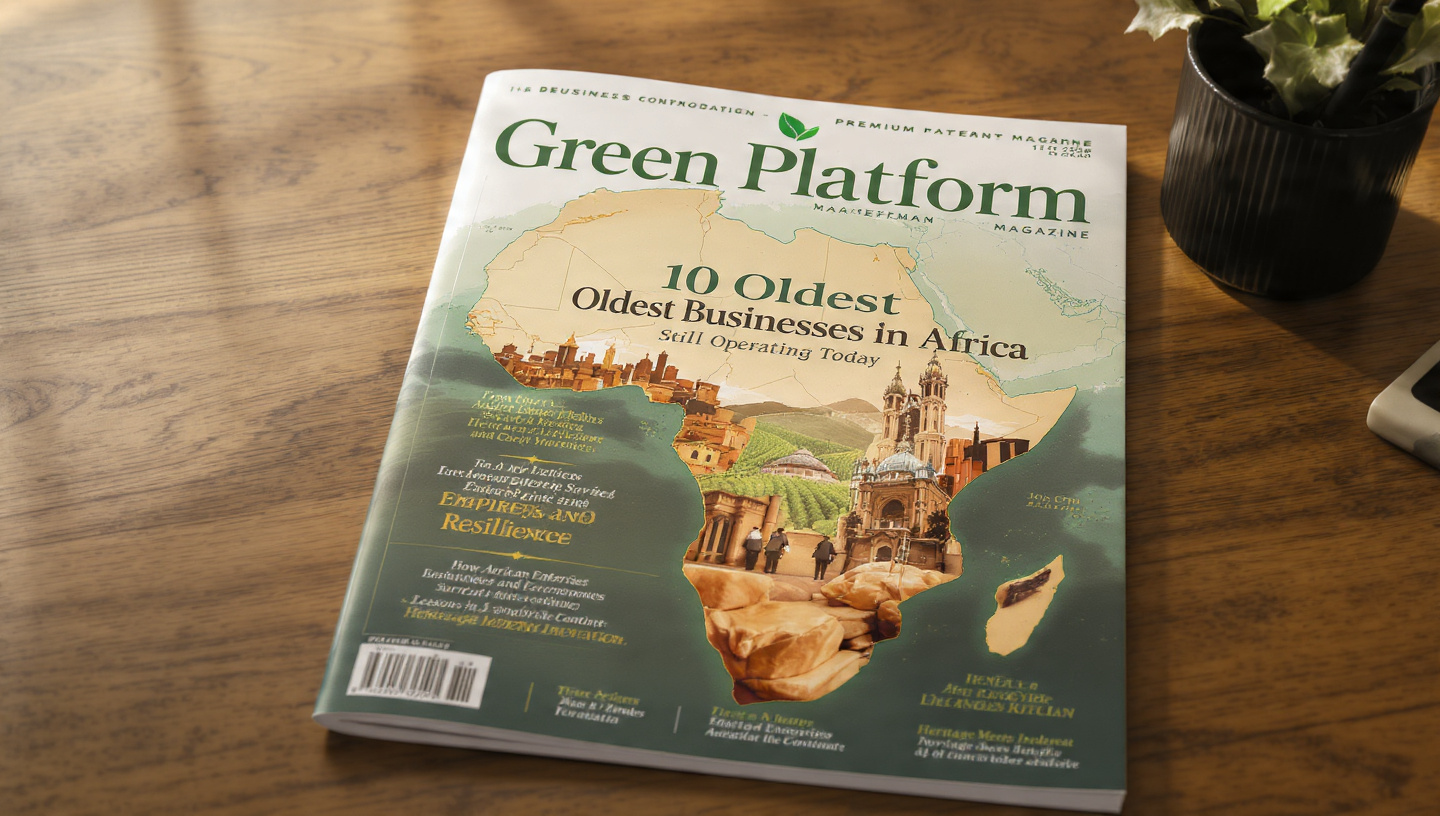
10 Oldest Businesses in Africa Still Operating Today (2026)

A survival story of heritage, adaptation, and resilience.


Before modern capitals rose across the continent…
before railways crossed deserts and savannas…
before global markets reshaped local trade…

Some African businesses were already alive.

They survived empires, colonization, independence movements, economic upheavals, and technological change. Like long-lived species in the wild, they adapted to shifting environments — cultural, political, and commercial.

This is the story of ten of Africa’s oldest businesses still operating today.


From Morocco’s ancient medinas to South Africa’s wine valleys and Nigeria’s colonial-era banks, these enterprises were born in worlds of caravans and sailing ships.

Their landscapes changed.
Their customers changed.
Their systems changed.

They endured.


🐄 Chouara Tannery — Morocco (est. ~11th century)

🌐 https://www.chouaratannery.com

Hidden inside Fez’s ancient medina, Chouara Tannery has processed leather for nearly a thousand years using techniques passed down through generations.

Survival strategy: preserving traditional craft while feeding modern fashion supply chains.


🏨 Taitu Hotel — Ethiopia (founded 1907)

🌐 https://www.taituhotel.com

Ethiopia’s oldest hotel has hosted diplomats, writers, and travelers for more than a century, standing firm through revolutions and regime changes.

Survival strategy: cultural relevance and continuity of hospitality.


🍇 Groot Constantia — South Africa (founded 1685)

🌐 https://www.grootconstantia.co.za

South Africa’s oldest wine estate continues harvesting grapes on land first cultivated in the 17th century, blending historic terroir with modern winemaking.

Survival strategy: agricultural legacy paired with premium branding.


🌿 Boschendal — South Africa (founded 1685)

🌐 https://www.boschendal.com

Founded the same year as Groot Constantia, Boschendal evolved from colonial farm to global lifestyle estate combining wine, food, and tourism.

Survival strategy: diversification beyond agriculture.


🍺 South African Breweries — South Africa (founded 1895)

🌐 https://www.sab.co.za

What began as a regional brewer grew into one of Africa’s most influential beverage companies, later becoming part of a global brewing network.

Survival strategy: scaling local products into international markets.


🏦 First National Bank South Africa — South Africa (roots tracing to 1838)

🌐 https://www.fnb.co.za

Emerging from early colonial banking institutions, FNB evolved into a modern financial powerhouse serving millions across southern Africa.

Survival strategy: following society’s changing financial needs.


🏦 First Bank of Nigeria — Nigeria (founded 1894)

🌐 https://www.firstbanknigeria.com

Nigeria’s oldest bank began during colonial trade and grew alongside the nation’s independence, becoming a backbone of West African commerce.

Survival strategy: institutional trust across generations.


🚢 Rogers Group — Mauritius (founded 1899)

🌐 https://www.rogers.mu

Starting in shipping and trade, Rogers Group expanded into logistics, hospitality, and finance, mirroring Mauritius’ rise as a regional business hub.

Survival strategy: diversification across island economies.


🧺 Souk Semmarine — Morocco (est. centuries ago)

🌐 https://www.visitmarrakech.com/souk-semmarine

Part of Marrakech’s historic trading network, Souk Semmarine represents centuries-old commercial continuity, where merchants still sell textiles, crafts, and spices much as their ancestors did.

Survival strategy: community-based commerce.


🏨 Mena House Hotel — Egypt (opened 1886)

🌐 https://www.marriott.com/en-us/hotels/caimh-marriott-mena-house-cairo

Overlooking the pyramids of Giza, this historic hotel has welcomed royalty, world leaders, and explorers for well over a century.

Survival strategy: location, legacy, and global appeal.


🌅 Closing Reflection

In nature, survival belongs not to the strongest —
but to the most adaptable.

Across Africa, these businesses endured by respecting heritage while embracing transformation. Some stayed rooted in ancient crafts. Others scaled into finance, tourism, or global trade.

Their story carries the same timeless lesson:

Longevity is not about standing still — it’s about learning when to evolve.

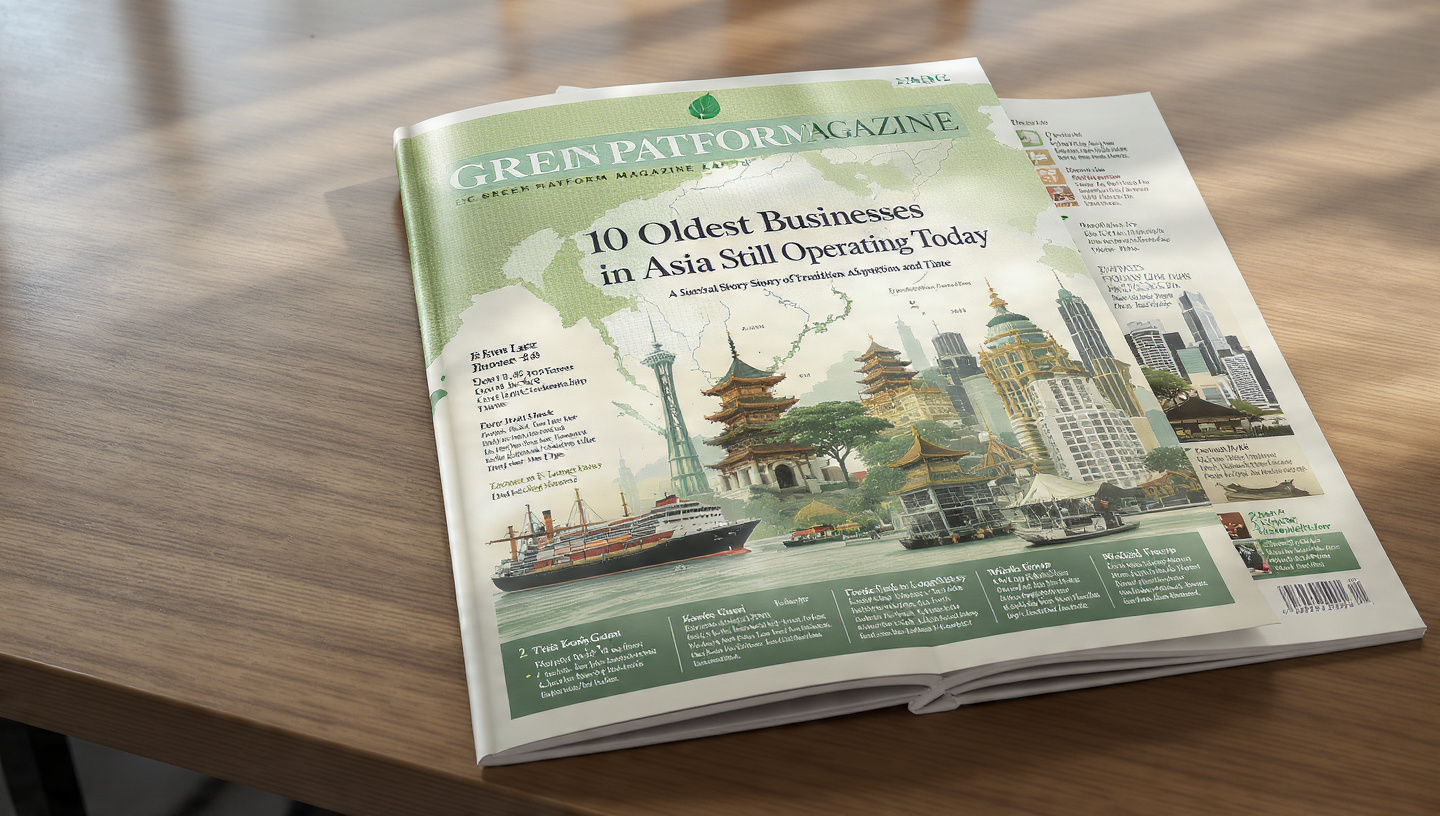
10 Oldest Businesses in Asia Still Operating Today (2026)

A survival story of tradition, adaptation, and time.


Before skyscrapers rose over Tokyo…
before global trade routes crossed oceans…
before electricity reshaped daily life…

Some Asian businesses were already alive.

They survived emperors and empires, earthquakes and wars, colonization and modernization. Like ancient species in the wild, they adapted to changing climates of culture and commerce.

This is the story of ten of Asia’s oldest businesses still operating today.


From Japan’s mountain hot springs to China’s imperial pharmacies and India’s shipyards, these enterprises began in worlds ruled by hand tools and candlelight.

Their environments changed. Their customers changed. Their technologies changed.

They endured.


🏗️ Kongō Gumi — Japan (founded 578)

🌐 https://www.kongogumi.co.jp

Founded to build Buddhist temples, Kongō Gumi became the world’s oldest known construction company, preserving sacred wooden architecture for more than 1,400 years while adapting to modern corporate structures.

Survival strategy: generational craftsmanship and structural adaptation.


♨️ Nishiyama Onsen Keiunkan — Japan (founded 705)

🌐 https://www.keiunkan.co.jp

Hidden deep in Japan’s mountains, this hot-spring inn has welcomed travelers for over thirteen centuries, quietly blending ancient hospitality with modern comfort.

Survival strategy: preserving tradition while upgrading experience.


🏨 Hōshi Ryokan — Japan (founded 718)

🌐 https://www.ho-shi.co.jp

Run by the same family for dozens of generations, Hōshi Ryokan refined the art of service without chasing trends.

Survival strategy: consistency of cultural experience.


📜 Genda Shigyō — Japan (founded 771)

🌐 https://www.genda-shigyo.co.jp

Specializing in ceremonial paper goods for Shinto rituals and imperial traditions, Genda Shigyō occupies a quiet but essential niche.

Survival strategy: becoming indispensable to cultural rites.


🕯️ Tanaka-Iga Butsugu — Japan (founded 885)

🌐 https://www.tanaka-iga.com

For over a millennium, Tanaka-Iga Butsugu has crafted Buddhist altars and sacred objects, preserving spiritual artistry through wars and modernization.

Survival strategy: spiritual relevance and meticulous handcraft.


🏮 Koman — Japan (founded 707)

🌐 https://www.koman.jp

Known for traditional Japanese sweets refined across centuries, Koman continues to serve flavors tied deeply to memory and ceremony.

Survival strategy: emotional connection through taste.


🌿 Tong Ren Tang — China (founded 1669)

🌐 https://www.tongrentang.com

Once supplier to China’s imperial court, Tong Ren Tang evolved into a global traditional-medicine brand by blending ancient formulas with modern standards.

Survival strategy: scientific modernization of heritage.


🚢 Wadia Group — India (founded 1736)

🌐 https://www.wadiagroup.com

Beginning with shipbuilding for colonial trade, the Wadia Group diversified into aviation, textiles, and food — spreading risk across industries.

Survival strategy: diversification.


🧪 Eu Yan Sang — Singapore (founded 1873)

🌐 https://www.euyansang.com

From a humble herbal shop to a pan-Asian healthcare retailer, Eu Yan Sang scaled traditional medicine into a regulated modern ecosystem.

Survival strategy: turning heritage into retail networks.


🥃 Destileria Limtuaco — Philippines (founded 1852)

🌐 https://www.limtuaco.com

The Philippines’ oldest distillery continues producing spirits rooted in Spanish-era recipes while embracing modern manufacturing.

Survival strategy: blending colonial legacy with local identity.


🌅 Closing Reflection

In nature, survival belongs not to the strongest — but to the most adaptable.

Across Asia, these businesses endured because they respected tradition and embraced transformation. Some stayed small and sacred. Others scaled globally. All learned when to evolve.

Their story teaches a universal lesson:

Longevity is not about resisting time — it’s about moving with it.

What is A Trademark and how to inforce it

📖 Introduction

A trademark is more than just a logo or brand name — it’s a business asset. When protected and enforced properly, a trademark builds trust, drives customer loyalty, and increases company valuation. When ignored, it quietly loses value.

Many businesses assume that simply registering a trademark is enough. In reality, registration is only the beginning. Without active enforcement (also called policing), trademarks can weaken over time, leading to dilution, copycats, lost revenue, and reduced return on investment (ROI).

This article explains what a trademark is, how enforcement works, and why consistent policing is essential to protecting ROI.


™️ 1. What Is a Trademark?

A trademark is any recognizable sign that distinguishes your goods or services from others. This can include:

  • Business names
  • Logos and symbols
  • Product names
  • Taglines or slogans
  • Distinctive packaging or design

Legally, a trademark gives its owner exclusive rights to use that mark in commerce for specific goods or services.

In practical terms, your trademark represents:

  • Brand reputation
  • Customer trust
  • Market position
  • Long-term business value

It is intellectual property — just like patents or copyrights — and it must be actively protected.


🧭 2. Registration vs. Enforcement (A Common Misunderstanding)

Trademark registration gives you legal standing, but it does not automatically stop infringement.

Most trademark offices (including bodies like World Intellectual Property Organization and United States Patent and Trademark Office) do not police the marketplace for you.

That responsibility belongs to the trademark owner.

Registration provides:

  • Legal ownership
  • Presumption of rights
  • Ability to sue or oppose infringers

But enforcement requires action from the business itself.

Without policing, your trademark becomes vulnerable.


👀 3. What “Trademark Policing” Actually Means

Trademark policing is the ongoing process of monitoring and enforcing your rights.

It usually involves:

  • Watching for similar names or logos
  • Monitoring online marketplaces and social media
  • Reviewing new trademark filings
  • Sending cease-and-desist letters
  • Filing oppositions or cancellations
  • Taking legal action when necessary

This doesn’t always mean lawsuits. Most enforcement begins with simple notices or negotiations.

The key is consistency.


⚠️ 4. What Happens Without Proper Policing

When trademarks are not enforced, several risks emerge:

Brand Dilution

Your mark becomes less distinctive as imitators appear.

Consumer Confusion

Customers may buy from competitors thinking they’re buying from you.

Legal Weakening

Courts may rule that you abandoned or tolerated infringement.

Loss of Exclusivity

Your trademark can become generic or unenforceable.

Revenue Erosion

Sales leak to copycats and imitators.

In extreme cases, businesses lose their trademark entirely because they failed to act.


📉 5. The ROI Impact: Why Enforcement Is a Business Investment

From an ROI perspective, trademark policing is not a cost — it’s protection of revenue.

Strong enforcement:

  • Preserves pricing power
  • Maintains customer trust
  • Protects market share
  • Supports licensing opportunities
  • Increases company valuation

Weak enforcement:

  • Lowers brand value
  • Encourages competitors to copy
  • Reduces differentiation
  • Creates legal vulnerability

Simply put:

A trademark that isn’t enforced stops generating returns.

Think of enforcement as maintenance on a high-value asset.


🛠️ 6. Practical Enforcement Steps for Businesses

Even small companies can implement basic trademark policing:

  1. Set Google alerts for your brand name
  2. Periodically search marketplaces and social platforms
  3. Monitor new trademark filings in your industry
  4. Document infringement cases
  5. Send early cease-and-desist letters
  6. Escalate only when needed

Many businesses also use trademark monitoring services or IP attorneys for automation.

The goal is early detection — the sooner infringement is addressed, the cheaper it is to resolve.


📊 7. Trademarks as Long-Term ROI Assets

Well-managed trademarks become appreciating assets over time.

They enable:

  • Franchising
  • Licensing deals
  • Investor confidence
  • Brand expansion
  • Acquisition leverage

Companies with strong trademark portfolios often command higher valuations because buyers aren’t just purchasing products — they’re acquiring protected brand equity.

Without enforcement, that equity quietly erodes.


🌍 Conclusion

A trademark is not a “set it and forget it” asset. Registration gives you ownership — but enforcement gives your trademark value.

Without proper policing, even the strongest brands can weaken, lose exclusivity, and suffer declining ROI. With consistent monitoring and timely action, trademarks become powerful long-term investments that protect revenue, reinforce customer trust, and increase business valuation.

In the context of ROI, trademark enforcement is not optional.

It is the mechanism that turns intellectual property into sustained competitive advantage.

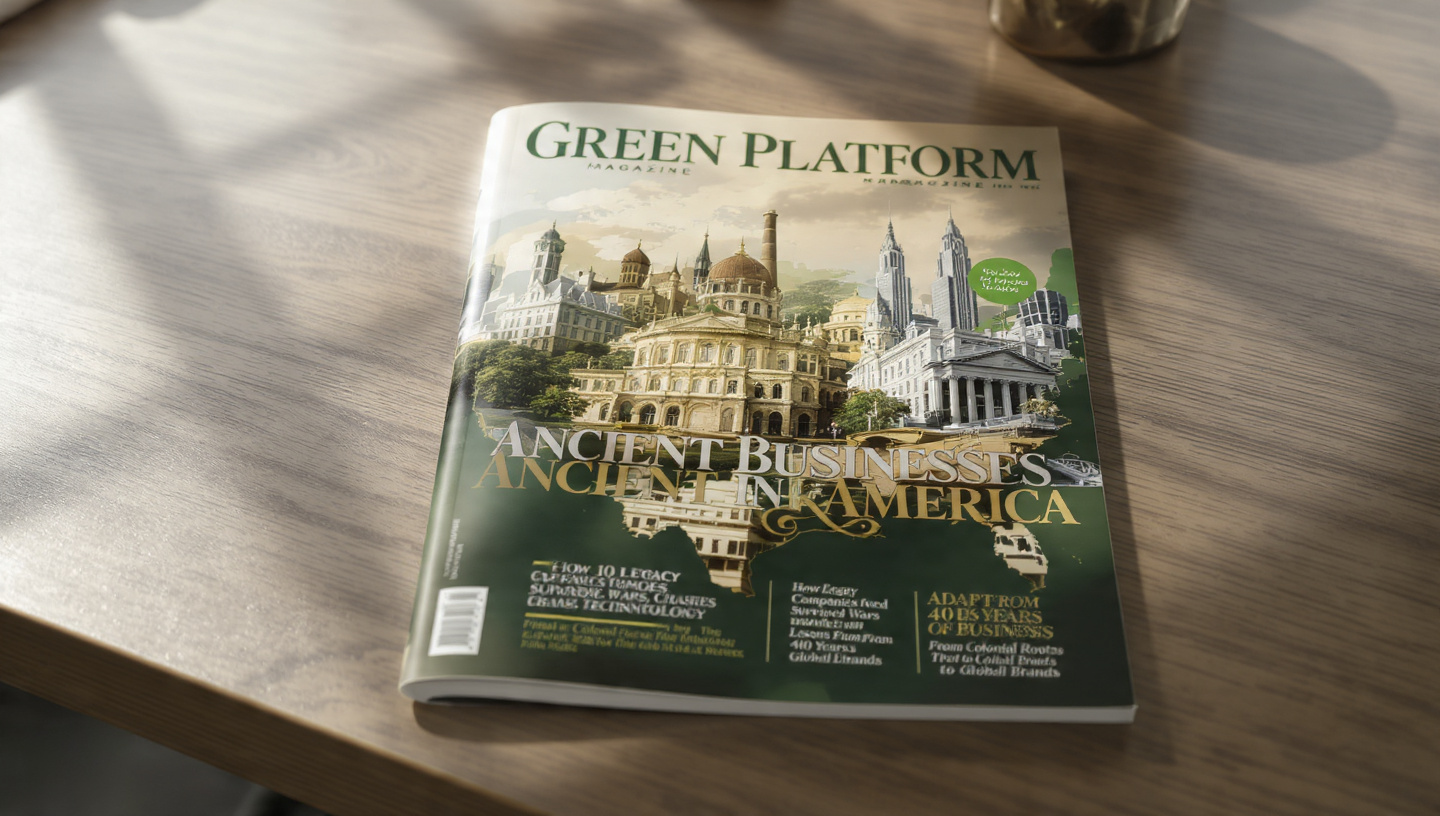
Top 10 Oldest Businesses Still Running in America

A survival story of endurance, adaptation, and time.


Long before skyscrapers pierced the clouds, before electricity lit the streets, before cars replaced horses — a handful of American businesses were already alive.

They’ve survived wars, depressions, revolutions, and changing generations. Like apex survivors in the wild, these companies adapted — or disappeared.

This is the story of ten of the oldest businesses in America still operating today.


From colonial plantations to modern global brands, these companies began in a young nation still finding its identity. Each faced extinction-level events: financial crashes, shifting consumer habits, and fierce competition. Only a few endured.


🐾 1. Shirley Plantation (1613)

🌐 Official site: https://www.shirleyplantation.com

Founded along the James River in Virginia, this historic estate began as a working plantation and evolved into a living history site welcoming visitors for tours and events.

Survival strategy: generational continuity and reinvention.


🥁 2. Zildjian (1623)

🌐 Official site: https://www.zildjian.com

Originally begun by an alchemist in Constantinople and brought to America, Zildjian is one of the world’s most iconic cymbal makers, used by musicians from beginners to rock superstars.

Survival strategy: mastery of niche craft.


📄 3. Crane & Co. (1801)

🌐 Official site: https://www.craneco.com

Crane & Co. built its reputation on finely crafted paper — including the paper used for U.S. currency — and successfully moved from papermaking into industrial materials.

Survival strategy: indispensable foundation product.


🧪 4. DuPont (1802)

🌐 Official site: https://www.dupont.com

Beginning as a gunpowder mill, DuPont evolved into a global leader in science and materials — from polymers to advanced innovations shaping modern industries.

Survival strategy: relentless innovation.


🧼 5. Colgate (1806)

🌐 Official site: https://www.colgatepalmolive.com

What started as soap and candle products expanded into one of the world’s most recognized daily health and household brands.

Survival strategy: embedding itself into everyday life.


👔 6. Brooks Brothers (1818)

🌐 Official site: https://www.brooksbrothers.com

The oldest apparel brand in continuous operation in America, Brooks Brothers helped define American fashion, introducing ready-to-wear suits and classic styles still in demand today.

Survival strategy: timeless identity.


🥃 7. Jim Beam (1795)

🌐 Official site: https://www.jimbeam.com

America’s bourbon legacy began with this family distillery. Jim Beam endured Prohibition, market changes, and global trends to remain one of the most recognized whiskey brands.

Survival strategy: cultural attachment and consistency.


🛡️ 8. Cigna (1792)

🌐 Official site: https://www.cigna.com

Originally established as a maritime insurance company, Cigna evolved to offer comprehensive health and life insurance services across the U.S. and globally.

Survival strategy: adapting to society’s evolving protection needs.


🏦 9. Bank of New York Mellon (BNY Mellon) (1784)

🌐 Official site: https://www.bnymellon.com

Founded just after the Revolutionary War, BNY Mellon became one of America’s longest-running financial institutions, trusted with overseeing trillions in assets through centuries of economic change.

Survival strategy: stability through trust.


🎸 10. C.F. Martin & Company (1833)

🌐 Official site: https://www.martinguitar.com

Known worldwide as Martin Guitars, this company’s acoustic instruments have shaped American music from folk to rock. Its craftsmanship remains legendary nearly two centuries after its founding.

Survival strategy: quality craftsmanship and cultural relevance.


🌅 Closing Reflection

Like enduring species in nature, these companies survived not simply by resisting change — but by adapting, reinventing, and remaining essential across eras. They teach one timeless lesson:

Longevity is not about avoiding change — it’s about knowing when and how to evolve.

Giants of Time

How Europe’s Greatest Companies Survived Centuries and Shaped the Modern World

History is not written by moments alone — it is written by institutions that endure.

Across Europe, a handful of companies have not only survived wars, revolutions, and technological upheaval — they have helped define the modern global economy. From industrial engines in Germany to consumer brands born in Switzerland and the United Kingdom, these enterprises adapted across centuries, influencing how people live, work, travel, and connect across America, Asia, Africa, and beyond.

This is the story of ten European companies whose legacy continues to shape the world we see today.


🏭 Siemens — Engineering the Industrial Age

Founded in 1847, Siemens emerged during Europe’s industrial transformation. Beginning with telegraph systems, Siemens expanded into electrification, railways, medical technology, and automation.

Its infrastructure projects powered factories, hospitals, and transportation networks across continents — helping modernize cities from Europe to Asia and North America. Today, Siemens remains central to smart manufacturing and digital industry, proving that engineering foresight can outlive generations.


🥛 Nestlé — Feeding a Growing Planet

Born in Switzerland in 1866, Nestlé began with infant nutrition during a time of high child mortality. Over time, it evolved into one of the world’s largest food and beverage companies.

Nestlé’s global supply chains transformed agriculture, retail, and nutrition standards worldwide — influencing diets across Europe, the Americas, Africa, and Asia. Its story reflects how consumer goods became global lifelines in the modern age.


🛢️ Shell — Fueling Global Mobility

Formed in the early 20th century through the merger of British and Dutch interests, Shell helped power the age of automobiles, aviation, and industrial expansion.

Shell’s energy networks supported globalization itself — enabling trade routes, logistics, and manufacturing to operate at scale across continents. From post-war reconstruction in Europe to rapid development in Asia, Shell’s reach mirrored the world’s growing dependence on energy.


🧼 Unilever — Everyday Products, Worldwide Impact

Established in 1929, Unilever combined British and Dutch enterprises to deliver household essentials globally.

From soap and food to personal care products, Unilever’s brands entered billions of homes. Its influence helped standardize consumer markets and distribution models, particularly in emerging economies throughout Africa and Asia.


🚗 Volkswagen — Mobility for the Masses

Founded in Germany in 1937, Volkswagen rose from post-war recovery to become one of the world’s largest automakers.

Volkswagen’s vehicles reshaped transportation culture in Europe and America, while its manufacturing methods influenced automotive production worldwide. Its evolution reflects how industrial rebuilding turned into global leadership.


🚘 BMW — Precision Meets Performance

Tracing its roots to aircraft engines in 1916, BMW transitioned into luxury automobiles and motorcycles.

BMW became synonymous with engineering excellence, exporting German precision across continents and helping define premium mobility in Europe, the U.S., and Asia.


💻 SAP — Powering the Digital Enterprise

Founded in 1972 by former IBM engineers, SAP helped usher Europe into the digital age.

SAP’s enterprise software now runs supply chains, payrolls, and logistics for organizations worldwide — forming invisible digital infrastructure behind governments, corporations, and manufacturers on nearly every continent.


💎 LVMH — Crafting Global Luxury

Created in 1987, LVMH unified heritage European craftsmanship with modern branding.

From fashion to fine wines, LVMH exported European luxury culture globally, reshaping consumer aspirations in Asia and America while preserving centuries-old artisanal traditions.


🏦 HSBC — Banking Across Empires

Founded in 1865 in Hong Kong and Shanghai, HSBC was born from global trade between Europe and Asia.

HSBC became a bridge between East and West, financing commerce across continents and helping establish modern international banking systems.


BP — Energy and Economic Transformation

Originally founded in 1909, BP played a major role in supplying fuel during world wars and post-war rebuilding.

BP’s operations supported industrial growth and urbanization worldwide, underscoring how energy shaped geopolitical and economic development.


🧠 Conclusion: Europe’s Corporate Legacy in a Globalized World

These companies did more than survive time — they adapted to it.

They endured wars, embraced technology, expanded across borders, and evolved with shifting markets. Together, they helped build:

  • Global supply chains
  • Modern transportation
  • Digital enterprise systems
  • Consumer economies
  • Energy infrastructure
  • Financial connectivity

Their influence stretches from European factories to American cities, Asian megacities, African markets, and emerging economies worldwide.

History reminds us that longevity comes not from size alone — but from reinvention.

And as platforms like Green Platform reflect in today’s digital era, visibility, adaptability, and connection remain the timeless pillars of business survival. Just as Europe’s giants once navigated industrial revolutions, modern enterprises now navigate digital transformation — proving that while tools change, the foundations of success remain remarkably constant.

In the end, history does not belong to those who resist change — it belongs to those who evolve with it

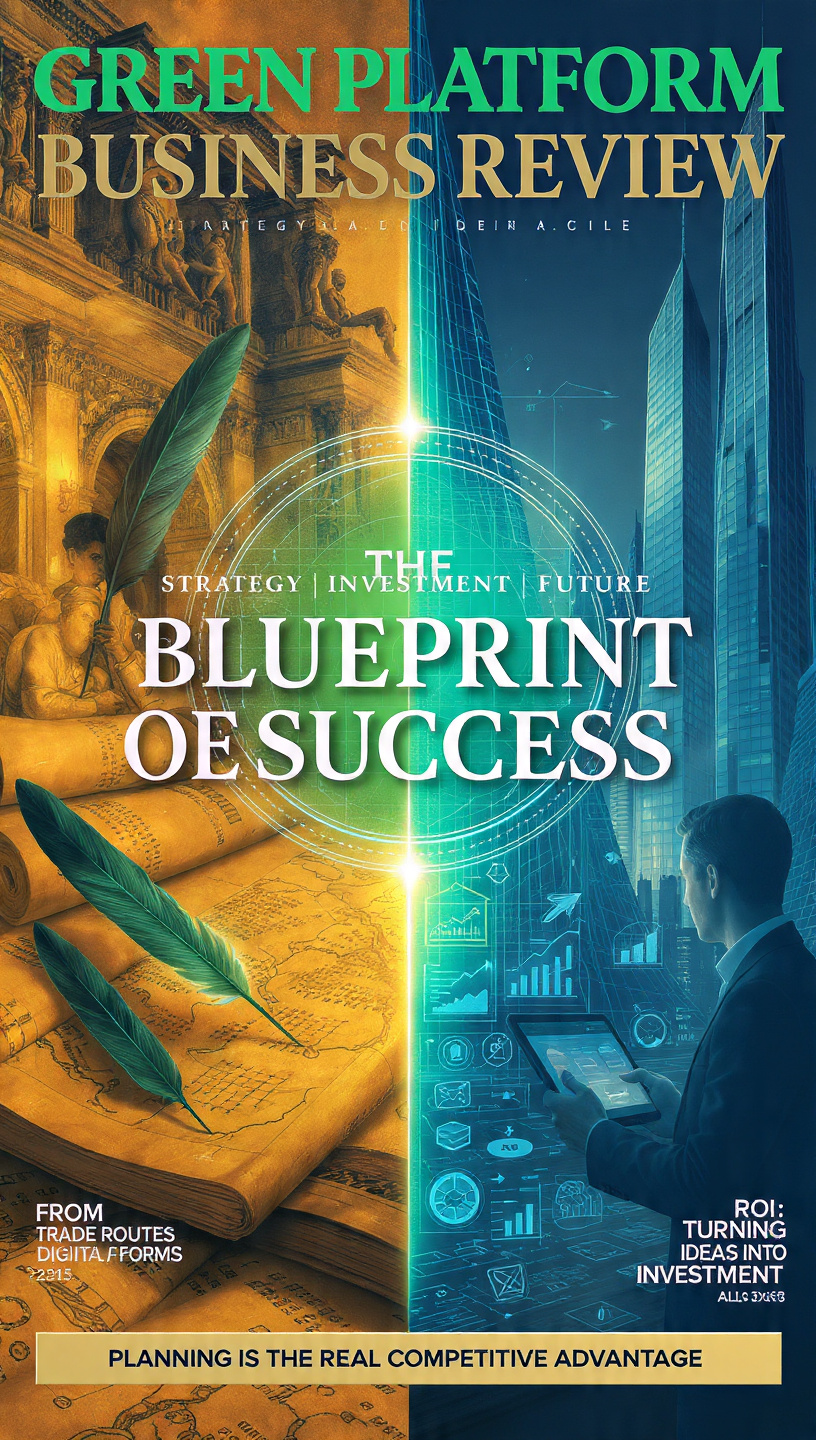
Green Platform Blueprint

The Blueprint of Success, Why Business Plans and Feasibility Studies Shape Every Great Enterprise

History teaches us a simple truth, civilizations that planned survived — and those that didn’t, faded.

From ancient trading cities to modern financial capitals, progress has never been accidental. Behind every lasting empire, every thriving industry, and every successful company lies preparation, calculation, and vision.

Long before spreadsheets and pitch decks existed, merchants along early trade routes studied demand, assessed risks, and planned their journeys. Kings did not build cities without surveying land. Explorers did not sail without charts. Even the world’s first large corporations, such as the East India Company, relied heavily on forecasting, logistics planning, and economic feasibility to justify massive overseas investments.

Today, we call these practices business planning and feasibility studies — but the principle is ancient.


🧭 The Business Plan, A Map Before the Journey

A business plan is more than a document. It is a roadmap.

It answers fundamental questions:

  • What problem are you solving?
  • Who are your customers?
  • How will you earn revenue?
  • What resources do you need?
  • How will you grow?

History shows us that even modern capitalism rests on structured planning. In 1776, economist Adam Smith laid the foundations of market economics, emphasizing organization, productivity, and strategic allocation of resources. Those ideas still echo in every startup pitch and corporate strategy today.

Businesses that operate without a plan often move blindly — reacting instead of leading. Costs rise unexpectedly. Markets shift unnoticed. Opportunities pass quietly.

With a plan, founders gain direction. They can measure progress, attract investors, align teams, and make informed decisions. Without it, even brilliant ideas struggle to survive.


🔍 The Feasibility Study, Asking “Should We?” Before “How Do We?”

If a business plan explains how to build, a feasibility study answers something even more important:

Is this worth building at all?

A feasibility study evaluates:

  • Market demand
  • Financial viability
  • Operational requirements
  • Legal and technical constraints
  • Risk exposure

In history, large infrastructure projects — from railways to factories — were never launched without cost-benefit analysis. Investors demanded proof. Governments required projections. Builders studied terrain.

Skipping feasibility is like constructing a bridge without checking the river beneath it.

When businesses ignore feasibility:

  • Capital is wasted
  • Time is lost
  • Teams burn out
  • Investors pull back

When feasibility is done right:

  • Risks are identified early
  • Resources are optimized
  • ROI becomes predictable
  • Confidence replaces guesswork

It is the difference between hope and strategy.


🌱 From Ledgers to Digital Platforms: Planning in the Modern Age

Fast forward to today.

Markets move at digital speed. Competition is global. Customers expect transparency. And decisions are increasingly data-driven.

This is where platforms like Green Platform represent the next chapter in business evolution.

Much like historical marketplaces once centralized trade, Green Platform brings together:

  • Structured business visibility
  • Customer engagement
  • Sustainability profiling
  • Practical performance insights

It allows entrepreneurs to validate ideas, test visibility, understand engagement, and showcase values — all critical components of modern feasibility and planning.

In essence, Green Platform helps founders answer the same timeless questions merchants asked centuries ago:

Is there demand?
Can this grow?
Will people trust us?

Only now, those answers come through digital signals instead of handwritten ledgers.


🎓 Why Business Management Exists — and Why Students Must Learn It

This brings us to an important modern question:

Why is there a course called Business Management?

Because economies are not built on ideas alone — they are built on returns.

Business Management teaches students how to think in terms of:

  • Investment
  • Risk
  • Strategy
  • Operations
  • Market behavior
  • Return on Investment (ROI)

Every peso, dollar, or hour invested must justify itself.

Students learn how to transform capital into value. How to read financial statements. How to assess feasibility. How to plan growth. How to manage people. How to protect sustainability.

Without this knowledge, investments become emotional decisions instead of strategic ones.

Business Management exists because the world runs on ROI — whether in startups, corporations, or national economies.

It trains future leaders to make decisions that don’t just sound good — but make sense financially.


🧠 Conclusion: Planning Is the Real Competitive Advantage

History doesn’t reward speed alone.
It rewards preparation.

Every successful venture — from early trade empires to today’s digital platforms — followed the same pattern:

Plan first.
Study feasibility.
Invest wisely.
Measure returns.
Adapt continuously.

In the modern era, Green Platform carries this legacy forward by helping businesses gain visibility, validate markets, engage customers, and grow with purpose — turning planning into action and insight into opportunity.

And for students, Business Management is not just a course.

It is training for reality.

Because in business — as in history — those who understand investment and ROI don’t just participate in the economy.

They shape it.

Green Platform Business News — Market Leaders Update

Today, we’re taking a look at the world’s most valuable publicly traded companies — names that continue to shape investor sentiment, influence major indices, and define leadership across the U.S. equity markets. While not all of these firms are listed exclusively on the New York Stock Exchange (many trade on Nasdaq), they are widely monitored for their impact on U.S. market performance and global business trends.

Let’s begin with the current leaders by market value and influence:

  • NVIDIA — Now widely recognized as the backbone of the AI boom, NVIDIA dominates high-performance computing with its GPUs powering data centers, artificial intelligence, and advanced research worldwide.
  • Microsoft — A global software leader that has successfully transitioned into cloud computing through Azure, while continuing to expand across enterprise services, productivity tools, and artificial intelligence.
  • Apple — Known for its tightly integrated ecosystem of devices and services, Apple remains one of the most valuable brands on Earth, driven by strong hardware sales and growing digital services revenue.
  • Alphabet — The parent company of Google continues to lead in digital advertising, search, and AI research, while expanding its footprint in cloud services and emerging technologies.
  • Amazon — Still the dominant force in global e-commerce, Amazon also operates one of the world’s largest cloud platforms through AWS, making it a dual powerhouse in retail and enterprise technology.
  • Meta Platforms — Owner of Facebook, Instagram, and WhatsApp, Meta remains a major player in digital communication while investing heavily in virtual reality and immersive technologies.
  • Broadcom — A key supplier of networking chips and enterprise software, Broadcom plays a critical behind-the-scenes role in global internet infrastructure and data centers.
  • Tesla — A leader in electric vehicles and clean energy, Tesla continues to influence both automotive innovation and renewable power storage.
  • Berkshire Hathaway — The diversified conglomerate led by Warren Buffett holds major stakes across insurance, energy, railroads, and consumer brands, making it one of the most stable long-term investment vehicles in the market.
  • JPMorgan Chase — America’s largest bank by assets, JPMorgan plays a central role in global finance, corporate banking, and consumer lending.

Now, while many of these technology giants trade on Nasdaq, the New York Stock Exchange continues to host some of America’s most established and influential corporations.

Among the standout NYSE-listed leaders:

  • Johnson & Johnson — A diversified healthcare giant spanning pharmaceuticals, medical devices, and consumer health products.
  • Exxon Mobil — One of the world’s largest energy producers, Exxon Mobil remains central to global oil, gas, and energy supply chains.
  • Bank of America — A cornerstone of U.S. retail and corporate banking, serving millions of consumers and businesses nationwide.
  • Coca-Cola — A globally recognized beverage brand with distribution networks reaching nearly every country.
  • Caterpillar — A leader in heavy machinery, Caterpillar supports infrastructure, mining, and industrial development around the world.

🧠 Green Platform Takeaway

Here’s the bigger picture.

The NYSE remains home to many of America’s legacy powerhouses in finance, healthcare, energy, and industrial manufacturing, while the broader U.S. market — including Nasdaq — is increasingly driven by technology and data-centric companies. Together, these firms represent the modern global economy: innovation on one side, foundational industries on the other.

From this desk, the message is clear, today’s market leadership isn’t defined by a single sector. It’s shaped by a balance of technology, finance, energy, healthcare, and consumer trust — reminding us that sustainable growth comes from both innovation and stability.

That’s your Green Platform Business News update.

Top 10 Tips for Startup Business Owners — and How to Grow Smarter with Green Platform

Starting a business is exciting — but it can also be overwhelming. Between building your product, finding customers, and managing costs, many startup owners feel pressured to immediately jump into large, expensive platforms for visibility.

While global brands like Google, Meta, Amazon, and Shopify offer powerful tools, they’re often optimized for scale — not for early-stage businesses working with limited budgets.

That’s where focused platforms like Green Platform come in: they help startups build visibility, engagement, and credibility without the heavy cost structure of enterprise marketing.

Here are 10 essential tips for startup owners — plus how Green Platform can help you apply each one.


1. Start with Clear Positioning

Before marketing anything, define:

  • Who you serve
  • What problem you solve
  • Why you’re different

Big platforms push ads to massive audiences, but clarity beats volume. Green Platform helps you present your mission, offerings, and values in one structured profile — so the right customers find you.


2. Be Discoverable Early

Many startups struggle because customers simply can’t find them.

Instead of competing immediately in expensive ad auctions, Green Platform provides organic visibility through business listings and discovery tools, helping customers reach you without paying per click.


3. Build Trust from Day One

People buy from businesses they trust.

Green Platform supports:

  • Verified business profiles
  • Transparent information
  • Reviews and engagement

This creates credibility faster than anonymous ads on large networks.


4. Engage — Don’t Just Advertise

Major platforms focus heavily on impressions and clicks.

Green Platform emphasizes interaction:

  • Messaging
  • Customer engagement
  • Community presence

This turns visitors into relationships — not just traffic.


5. Track What Actually Matters

Enterprise tools often overwhelm startups with complex dashboards.

Green Platform focuses on actionable insights — helping you understand visibility, engagement, and customer interest without needing a full analytics team.


6. Keep Marketing Costs Under Control

Paid ads on big platforms scale quickly in price.

Green Platform gives startups a cost-efficient digital presence that doesn’t depend on constant ad spending, making it easier to grow sustainably.


7. Highlight Your Values

Modern customers care about purpose.

Green Platform allows businesses to showcase:

  • Sustainability practices
  • Ethical standards
  • Community impact

This is something large generic platforms rarely prioritize.


8. Grow Locally Before Going Global

Instead of trying to conquer the world immediately, smart startups build momentum locally.

Green Platform supports targeted discovery, helping you connect with nearby or aligned audiences first — a proven way to build strong foundations.


9. Centralize Your Online Presence

Managing separate tools for listings, messaging, and visibility gets messy fast.

Green Platform brings these together into one ecosystem, simplifying operations so founders can focus on growth.


10. Choose Connection Over Noise

Big platforms are crowded. Small businesses often get buried.

Green Platform offers a focused environment where startups aren’t competing against massive corporations for attention — giving emerging brands space to be seen, heard, and chosen.


🧠 Conclusion: Grow with Purpose, Not Just Scale

Every successful startup begins the same way: with visibility, trust, and meaningful connection.

While major platforms excel at global scale, they often demand significant budgets and technical expertise. Green Platform takes a different approach — helping startups build credibility, engagement, and discoverability in a more accessible and purpose-driven way.

By combining structured listings, customer interaction, sustainability visibility, and practical insights in one place, Green Platform empowers business owners not only to launch — but to grow intelligently.

In today’s digital economy, success isn’t just about being everywhere.
It’s about being visible to the right people, trusted by your customers, and connected through purpose.

And that’s where Green Platform gives startups their edge.