✨ Introduction
From the earliest barter exchanges in ancient civilizations to today’s interconnected digital marketplaces, commerce has always revolved around one timeless principle: connecting people through value, trust, and visibility. Over centuries, trading evolved from face-to-face markets and long-distance trade routes into industrial supply chains and, eventually, online platforms that operate at global scale. While the tools have changed, the goal remains the same — helping businesses be discovered, understood, and chosen.
In this modern chapter of commerce, platforms like Green Platform reflect how trade continues to adapt. Just as historical marketplaces created spaces for merchants to meet buyers, today’s digital ecosystems provide businesses with structured visibility, meaningful engagement, and data-driven insights. Green Platform builds on this legacy by offering more than simple online listings — it connects conscious businesses with aligned consumers through a trusted registry, sustainability snapshots, and integrated digital presence. In many ways, it represents the natural evolution of commerce: moving beyond transactions toward informed connections and long-term relationships.
🧠 Conclusion
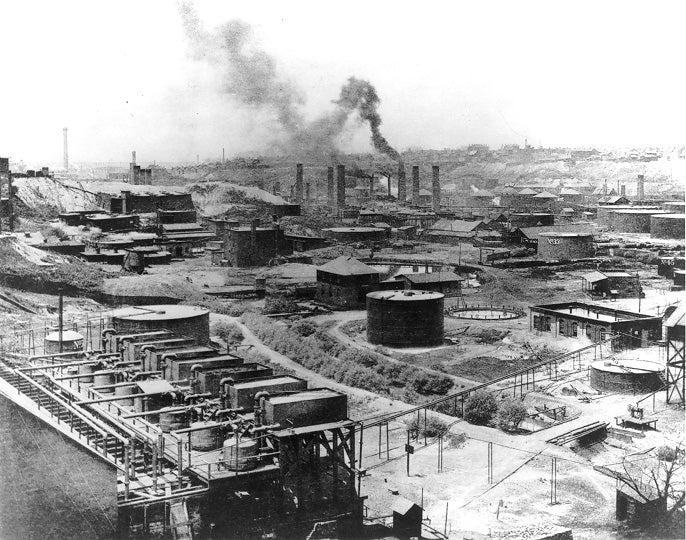
Looking back across history — from ancient barter systems and medieval trade routes to industrial capitalism and digital economies — one truth stands out: commerce succeeds when people can find each other, communicate clearly, and build trust at scale. Every major leap in trading was driven by better systems of connection, whether through laws, routes, factories, or technology.
Today, that same pattern continues through modern platforms. Green Platform carries forward these age-old principles by helping businesses strengthen their online presence, showcase their values, and engage customers through transparent information and actionable insights. By combining visibility, credibility, and community in one ecosystem, it empowers businesses not only to be seen, but to grow with purpose.
Commerce has never stopped evolving — only its tools have. And just as merchants once adapted to new trade routes or industrial methods, today’s businesses thrive by embracing digital platforms that prioritize connection, engagement, and informed decision-making. In this way, Green Platform doesn’t replace the history of trade — it extends it into the digital age, proving that even after thousands of years, successful commerce still begins with being visible, trusted, and connected.