Origins: United Kingdom → Europe → United States
Era: Late 18th to early 20th century
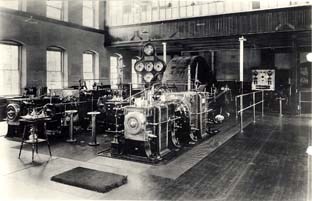
Manufacturing transformed handcrafted production into machine-driven mass output. Britain led with textile mills and steam engines, while the U.S. later perfected scale and efficiency.
A turning point came with Ford Motor Company, when Henry Ford introduced the moving assembly line (1913), cutting production time dramatically and making automobiles affordable to the public.
Why it mattered
- Lowered costs through mass production
- Created urban workforces
- Sparked global trade in finished goods
Strategic lessons from manufacturing
- Process optimization (assembly lines, standardization)
- Vertical integration (owning raw materials + production)
- Automation as leverage
These principles still drive modern factories, now powered by robotics and AI.Manufacturing — The Industrial Revolution (late 1700s)