Leveraging a Business Directory for Sustainable Growth

Introduction

In today’s fast-paced digital economy, innovation is the backbone of sustainable success. Companies must continuously evolve to stay competitive, and one powerful tool enabling this transformation is a business directory.

More than just listings, modern platforms like Green Platform serve as innovation ecosystems—helping businesses strengthen their business online presence while unlocking collaboration and growth opportunities through an online directory.


What is Innovation Management?

Innovation management is the process of creating, developing, and implementing new ideas to improve products, services, and operations.

It includes:

  • Strategic planning
  • Process improvement
  • Digital transformation
  • Sustainability initiatives

Businesses that invest in innovation management are more adaptable, resilient, and future-ready.


Why a Business Directory is Essential for Innovation

A business directory plays a critical role in modern innovation strategies. It acts as a centralized hub where businesses connect, collaborate, and grow.

1. Increased Visibility

Listing your company in a business directory improves discoverability and helps establish a strong business online presence.

2. Access to Market Insights

Many directory platforms provide analytics that support smarter decision-making and innovation planning.

3. Stronger Business Networks

An online directory connects professionals, startups, and enterprises, fostering collaboration and co-innovation.

4. Support for Sustainable Growth

Directories like Green Platform highlight sustainability, encouraging businesses to innovate responsibly.


The Role of Online Directory Platforms in Digital Transformation

An online directory is no longer static—it’s an interactive ecosystem that supports innovation management.

Key Benefits:

  • Real-time updates and engagement
  • Global reach and accessibility
  • Integration with digital marketing strategies
  • Enhanced credibility and trust

These features make directories essential tools for businesses aiming to scale and innovate.


Building a Strong Business Online Presence

A strong business online presence is critical for success in the digital age.

Core Components:

  • Professional website
  • Active social media channels
  • SEO-optimized content
  • Listings in a business directory

When combined, these elements create a powerful digital footprint that drives traffic, engagement, and conversions.


SEO Benefits of Using a Business Directory

Integrating a business directory into your SEO strategy offers long-term advantages:

✔ Improved Search Rankings

Directories provide high-quality backlinks that boost domain authority.

✔ Targeted Traffic

Users searching within an online directory already have intent, increasing conversion potential.

✔ Keyword Optimization

Strategic placement of keywords like:

  • business directory
  • online directory
  • business online

helps improve visibility in search engine results.


Practical Innovation Management Strategies

To fully leverage innovation and directories, follow these best practices:

✔ Optimize Your Directory Profile

Ensure accurate, keyword-rich descriptions and updated business information.

✔ Leverage Data Analytics

Use insights from directory platforms to refine your strategies.

✔ Engage and Collaborate

Actively connect with other businesses to foster innovation.

✔ Focus on Sustainability

Align your innovation efforts with eco-friendly practices to stay relevant.


Conclusion

Innovation management is essential for businesses navigating the digital landscape. By leveraging a business directory, companies can enhance their business online presence, build valuable connections through an online directory, and drive sustainable growth.

Platforms like Green Platform are redefining how businesses innovate—turning directories into powerful engines for transformation.


Call to Action

Ready to innovate and grow?
List your company on Green Platform today and maximize the benefits of a business directory to strengthen your business online presence and connect through a global online directory.

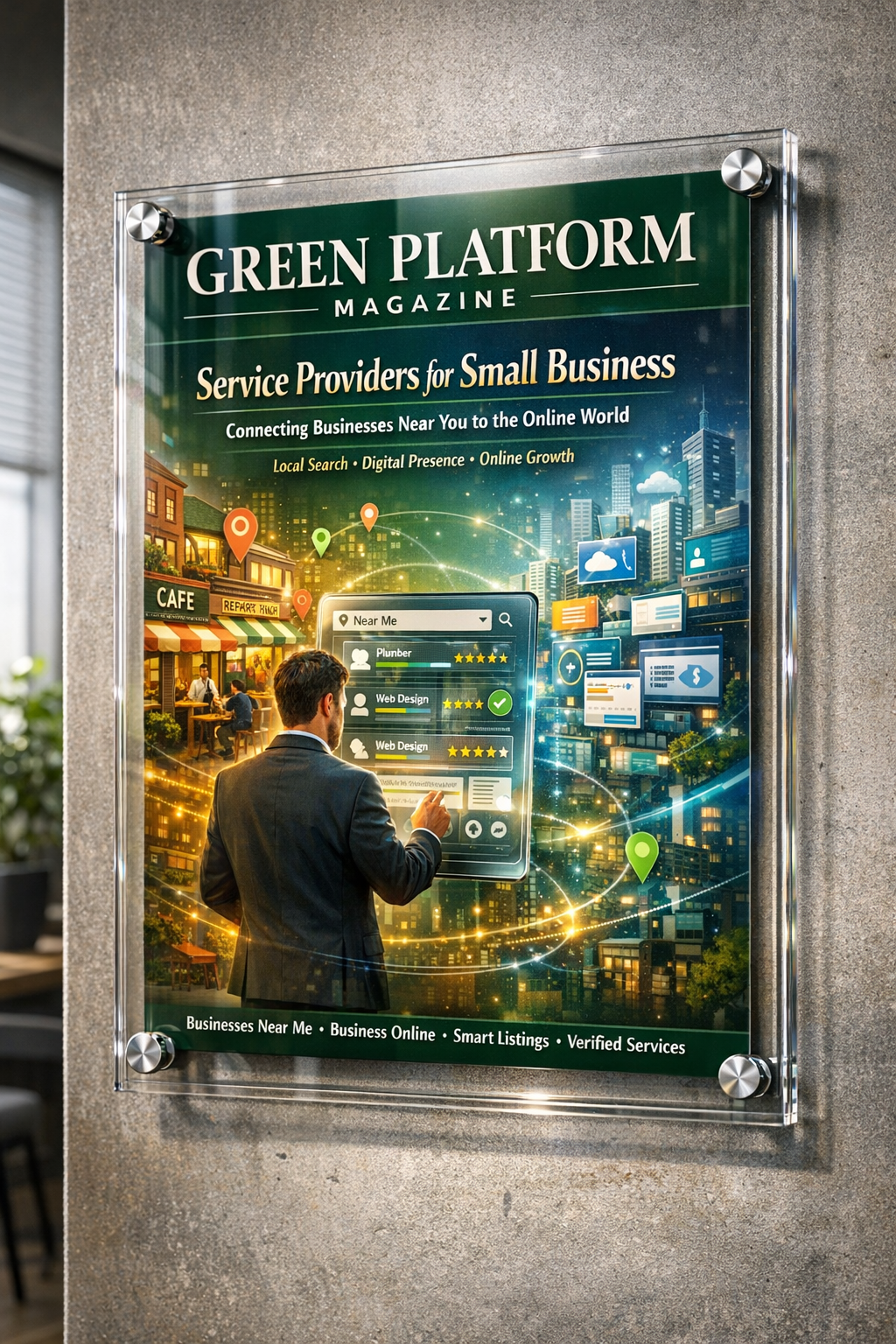
A Journey Through the History of the Business Directory

Remember the hefty Yellow Pages that served as a doorstop, booster seat, and the ultimate guide for finding a local plumber? For centuries, the business directory has been the fundamental bridge connecting people with essential services.

The journey from humble newspaper ads to the high-speed platforms of today reflects a complete digital transformation in how we discover and engage with local commerce. For any small business, being listed has always been—and remains—the first critical step toward getting noticed.


The Dawn of Classifieds in Newspapers

Long before the internet, newspapers were the original hubs for local commerce. In 1704, the Boston News-Letter published the first known dedicated classified ad section.

These simple, text-based entries were the primary way for a small business to announce its services. As newspapers grew, these sections became highly organized with categories like “For Sale” and “Employment,” teaching readers the efficiency of categorized searching—a logic we still use in digital directories today.

The Iconic Telephone Directory and the “Yellow Pages”

The world’s first telephone directory was actually a single piece of cardboard issued in 1878, listing just 50 names. However, the famous “Yellow Pages” we know today happened by accident. In 1883, a printer in Wyoming ran out of white paper and used yellow stock instead.

By 1886, this concept was formalized in Chicago. For over a century, the Yellow Pages became an indispensable fixture in every home and neighborhood phone booth. With the slogan “Let Your Fingers Do the Walking,” a prominent ad in these books was the pinnacle of local marketing for any small business looking to capture the market.

Marketing and Digital Growth

The arrival of the internet in the 1990s signaled a major shift in marketing and digital growth. Early pioneers like the Yahoo! Directory (1994) and the Open Directory Project (DMOZ) moved these listings from paper to the screen.

This was a monumental leap. For the first time, a small business could:

  • Update its contact information in real-time.
  • Reach a global audience instantly.
  • Link directly to a digital storefront or website.

Interactive Search and Social Proof

The launch of Google Maps in 2005 revolutionized the industry again by integrating business data with seamless, draggable maps. Soon after, platforms like Yelp introduced user-generated reviews, shifting the focus from simple contact details to social proof.

Today, we are witnessing a complete digital transformation. Modern online directories are no longer just lists; they are interactive ecosystems featuring:

  • Live GPS Navigation: Helping customers find businesses near me instantly.
  • Customer Reviews: Building immediate trust through transparency.
  • Direct Integration: Seamlessly linking to social media and booking engines.

Why a Digital Presence Matters Today

History shows us that visibility is the key to survival. Whether it was a text ad in 1704 or a pinned location on a map in 2026, staying searchable is non-negotiable. For a modern small business, managing an online presence across these directories is the most effective way to drive growth and attract new customers in a competitive market.

Best Service Providers for Small Business

For decades, the “common person” relied on two massive paper pillars to navigate local commerce: the newspaper classified ads and the thick, yellow phone directory found in almost every neighborhood phone booth. While the smell of newsprint and the sound of flipping through the Yellow Pages are now nostalgic memories, the core mission remains the same: connecting people with the help they need.

Today, that mission has migrated from the dusty phone booth to the smartphone. Finding the right service providers for small business success has never been more accessible, yet the history of how we got here is fascinating.

Newspaper Classified Ads

Before the internet, the newspaper classifieds were the original “search engine” for daily needs. Whether you were looking for a local carpenter or a used bicycle, you scanned columns of tiny text. It was a community-driven marketplace that taught us how to search by category. For common people, it was the first place to look for work or hire help, providing a democratic way for any small business to be seen.

The Famous Phone Booth Directory

Following the daily classifieds, the famous phone directory became the definitive business database. It was universal—literally chained to the desk of every public phone booth. If you were out in the city and needed a service, you let your “fingers do the walking.” While revolutionary, these paper directories lacked the specific filters modern consumers need, such as checking real-time reviews or verifying if a company was still active.

Searching for Businesses Near Me

In the digital age, search intent has become much more immediate. The average person is no longer just looking for “a plumber”; they are searching for businesses near me. This shift toward “Local SEO intent” means that a standard list of names and numbers is no longer enough.

Modern users want to see photos, ratings, and instant contact options before they spend their money. This digital evolution has transformed how we discover local experts, making it easier than ever to support the community.

Growing Your Business Online

As the directory has evolved, so has the way companies must present themselves. If you operate an ethical company, being invisible in the digital space is no longer an option. You must go where the customers are looking.

The most critical step for any entrepreneur today is learning how to effectively manage their business online. Unlike the old days of simply buying a larger ad in the phone booth book, digital registration allows you to:

  • Target the Right Audience: Reach people specifically looking for your niche.
  • Build Trust: Use digital reviews to prove your reliability.
  • Improve Visibility: Show up precisely when someone searches for service providers for small business in your specific area.

A Smarter Way to Connect

The journey from the ink-stained classifieds to a high-tech digital registry reflects our changing world. We still want the convenience that the old phone booth directory provided, but we now demand the transparency and speed that only a modern platform can offer. By moving your business online, you aren’t just joining a list—you are making it easier for your neighbors to find exactly what they need.

The Evolution of the Business Directory

For decades, the “common person” relied on two massive paper pillars to navigate local commerce, the newspaper classifieds and the thick, yellow phone directory found in almost every neighborhood phone booth. While the smell of newsprint and the sound of flipping through the Yellow Pages are now nostalgic memories, the core mission remains: connecting people with the services they need.

Today, that mission has moved from the phone booth to the smartphone. However, as consumers become more conscious of their environmental impact, a new challenge has emerged: finding businesses that actually share their values.

Classifieds and Phone Booth Directories

Before the internet, the newspaper classifieds were the original “search engine” for daily needs. Whether you were looking for a local carpenter or a used bicycle, you scanned columns of tiny text. It was a community-driven marketplace that taught us how to search by category.

Following the classifieds, the famous phone directory became the definitive business database. It was universal—literally chained to the desk of every public phone booth. If you were out in the city and needed a service, you let your “fingers do the walking.” While revolutionary, these paper directories lacked the specific filters modern consumers need, such as verifying if a company is truly eco-friendly.

How to Find Eco-Friendly Businesses Near Me

In the digital age, search intent has become much more specific. The average person is no longer just looking for “a cafe”; they are searching for how to find eco-friendly businesses near me.

This shift toward “Local SEO intent” means that a standard list of names and numbers is no longer enough. Modern users want to see certifications, sustainable practices, and community impact before they spend their money. This is where the Green business registry has stepped in to replace the outdated, generic phone book. A specialized registry acts as a trusted filter, ensuring that “green” isn’t just a marketing buzzword but a verified business standard.

How to Register a Sustainable Business Online

As the directory has evolved, so has the way businesses must present themselves. If you operate an ethical company, being invisible in the digital space is no longer an option. You must go where the conscious consumers are looking.

Knowing how to register a sustainable business online is the most critical step for modern entrepreneurs. Unlike the old days of simply buying a larger ad in the Yellow Pages, digital registration in a specialized Green business registry allows you to:

  • Target the Right Audience: Reach people specifically looking for sustainable alternatives.
  • Build Trust: Use verified badges to prove your eco-credentials.
  • Improve Local Visibility: Show up precisely when someone searches for sustainable options in your specific area.

A Smarter Way to Connect

The journey from the ink-stained classifieds to a high-tech Green business registry reflects our changing world. We still want the convenience that the old phone booth directory provided, but we now demand the transparency and values that only a modern, sustainable platform can offer. By moving your business into these specialized digital spaces, you aren’t just joining a list—you are joining a movement.