💻 Technology — The Digital Age (1970s–Present)

Origins: United States (Silicon Valley), later global
Era: Late 20th century onward

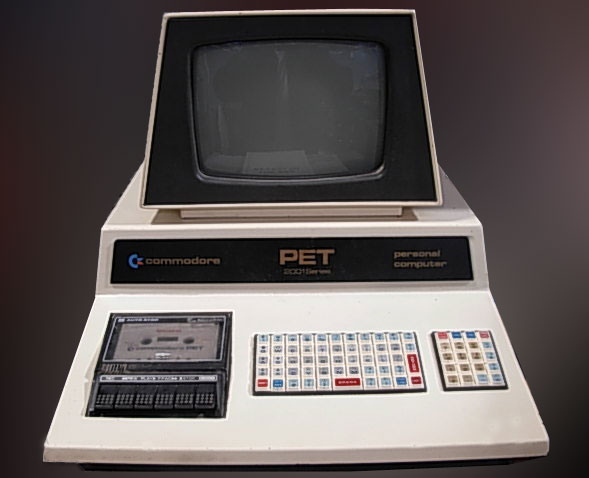
The technology industry reshaped everything: communication, commerce, media, and work. Companies like Apple, Microsoft, and Google transformed software into the world’s most scalable product.

Unlike earlier industries, tech grows exponentially because code can be replicated instantly across the globe.

Why it matters

  • Near-zero distribution cost
  • Network effects (more users = more value)
  • Automation of knowledge work

Strategic lessons from technology

  • Platform thinking
  • Speed of iteration
  • Data as an asset

This is currently the fastest-moving and most disruptive global industry.


🧠 Final Takeaway

Across all eras — from ancient farming to artificial intelligence — the winning industries share the same foundations:

  • Strong systems and infrastructure
  • Control of distribution
  • Ability to scale efficiently
  • Continuous innovation

Technology may dominate headlines today, but every modern success still stands on agriculture, energy, manufacturing, and finance.
https://www.lighterra.com/articles/historyofcomputers/commodorepetlarge.jpg
https://images.openai.com/static-rsc-3/FdSPfnH6HLNA7pLLcVOLTyzMlGOT3ZTsHUsAErUBS5YLV1NMtFl00AJUHuxkWQ5La2x3m7FsTeWCD1i-lTQaJZQS6TUazi76OwsOZmF7On0?purpose=fullsize
https://images.openai.com/static-rsc-3/m0GjTJpk-j0KK3e_MSA1-Q-tsWXI04J9TcG1uj-mMaqn4BgIaSA3dNgjo1k4noxLthabik5bAMRGdWAhlAH3ZkieW9RwYMmAn0V9w-F2n-Y?purpose=fullsize

Era: Mid-19th century onward

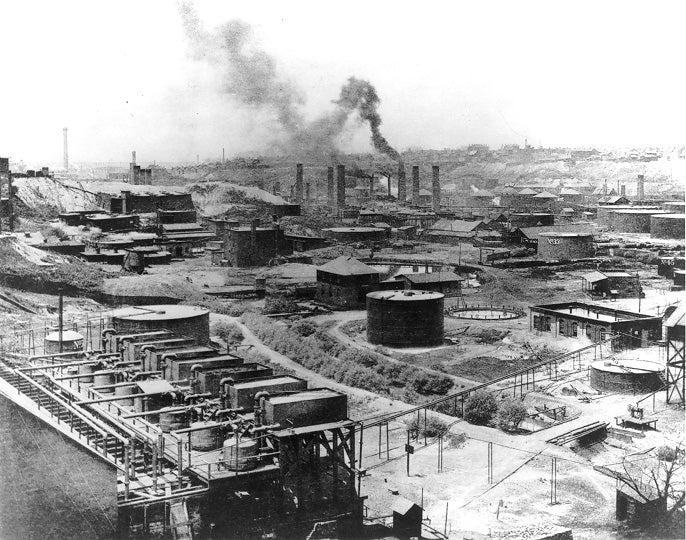
Energy became a dominant industry after Edwin Drake drilled the first commercial oil well in Pennsylvania (1859). Soon after, Standard Oil built one of history’s most powerful industrial empires by controlling refining, transport, and pricing.

Later, oil-rich regions in the Middle East reshaped geopolitics, while coal and electricity fueled factories and cities.

Why it mattered

  • Enabled transportation, manufacturing, and electrification
  • Defined modern geopolitics
  • Created vast infrastructure networks

Strategic lessons from energy

  • Infrastructure dominance (pipelines, grids, refineries)
  • Long-term capital investment
  • Control of distribution

Today, this sector is rapidly shifting toward renewables — but the same infrastructure logic still applies.

https://cdn.sanity.io/images/s3y3vcno/production/6f2a37a230e4d4072ecfbf53aa538320fac85f73-1500x985.jpg?auto=format
https://walklondon.com/london-walks/walk-london-images/city-of-london/royal-exchange-1250.jpg
https://images.openai.com/static-rsc-3/NejC8j4zA0qxstOZp3jvKAyzPEd90n8SxxlsBqDGe2NwtXOTRz3zijjnjKrRJWc0bpQ9yWJozAp6AyQRbnJpcpsVrYl9dq63Gzq1ffYQpqw?purpose=fullsize

5

Origins: Italy (Florence), Netherlands, United Kingdom

🛢️ Energy — Powering Modern Civilization (mid-1800s)

https://images.openai.com/static-rsc-3/sHCkhX0LqGO6SKR_G8-bgtz3IFoji-hRedr3YQmr1eE5MPT_ePBijIWtcgrrjHCM8OGnWguLRQy9UoVaWGLrC6lxhnlyJXRwMD313d1N6mo?purpose=fullsize
https://case.edu/ech/sites/default/files/2018-05/A19.jpg
https://www.locallocalhistory.co.uk/brit-land/power/images/b-land-1930-coal-fired-power-station-s.jpg

Origins: United States, Russia, Middle East
Era: Mid-19th century onward

Energy became a dominant industry after Edwin Drake drilled the first commercial oil well in Pennsylvania (1859). Soon after, Standard Oil built one of history’s most powerful industrial empires by controlling refining, transport, and pricing.

Later, oil-rich regions in the Middle East reshaped geopolitics, while coal and electricity fueled factories and cities.

Why it mattered

  • Enabled transportation, manufacturing, and electrification
  • Defined modern geopolitics
  • Created vast infrastructure networks

Strategic lessons from energy

  • Infrastructure dominance (pipelines, grids, refineries)
  • Long-term capital investment
  • Control of distribution

Today, this sector is rapidly shifting toward renewables — but the same infrastructure logic still applies.

🧵 Manufacturing — The Industrial Revolution (late 1700s)

Origins: United Kingdom → Europe → United States
Era: Late 18th to early 20th century

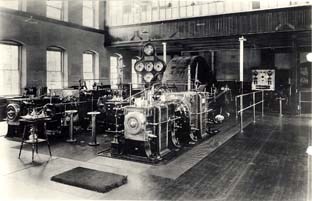
Manufacturing transformed handcrafted production into machine-driven mass output. Britain led with textile mills and steam engines, while the U.S. later perfected scale and efficiency.

A turning point came with Ford Motor Company, when Henry Ford introduced the moving assembly line (1913), cutting production time dramatically and making automobiles affordable to the public.

Why it mattered

  • Lowered costs through mass production
  • Created urban workforces
  • Sparked global trade in finished goods

Strategic lessons from manufacturing

  • Process optimization (assembly lines, standardization)
  • Vertical integration (owning raw materials + production)
  • Automation as leverage

These principles still drive modern factories, now powered by robotics and AI.Manufacturing — The Industrial Revolution (late 1700s)

https://images.openai.com/static-rsc-3/2ZYkf_4ZwfiIxKHJsMNFUyOKlO_3PaHwsIZHTxtBrkBdQnMTja-EXmbKsjoKkk3HsSzqDaVavtroWV5x9f7HgFRB-SkPFB2kFJkGIJAuyc0?purpose=fullsize
https://www.nps.gov/spar/learn/historyculture/images/Corliss.jpg?autorotate=false&maxwidth=650
https://www.thoughtco.com/thmb/Ys0haYoGtwE1IWTucFrxxt2BFOo%3D/1500x0/filters%3Ano_upscale%28%29%3Amax_bytes%28150000%29%3Astrip_icc%28%29/fordassemblyline-56b6b8355f9b5829f83428af.jpg

A Historical Journey from Ancient Trade to Digital Empires

A Historical Journey from Ancient Trade to Digital Empires. The world’s largest industries didn’t appear overnight. They evolved over thousands of years through innovation, trade routes, industrial revolutions, and (more recently) digital transformation. Understanding when these industries emerged — and why they succeeded — gives powerful insight into how today’s global economy was built.

Below is a historical walk through the most influential industries, the countries and organizations that shaped them, and the strategic principles that still matter today.


🌾 Agriculture — The First Global Industry (c. 10,000 BCE)

https://images.openai.com/static-rsc-3/HLXOwzkSowU_R0dxU5G39UksCZiNlgHW1nfwhbrMps7GUpWCv5IPLNcRD1fMx-s_93Cth0krZbvJQZbe8ehAjjCyga1iB36BaYE9rrhuPU0?purpose=fullsize

5

Origins: Fertile Crescent (modern Iraq, Syria, Turkey), later China, India, Egypt
Era: Neolithic Revolution (~10,000 BCE)

Agriculture marks humanity’s first large-scale industry. Early civilizations in Mesopotamia, the Yellow River basin, and the Nile Valley learned to domesticate crops and animals, enabling permanent settlements and population growth.

Why it mattered

  • Created food surplus → allowed specialization (crafts, trade, governance)
  • Enabled cities, taxation, and early commerce
  • Formed the foundation for every later industry

Strategic lessons from agriculture

  • Control of supply chains: irrigation, storage, and seasonal planning
  • Scalability: terrace farming, crop rotation, and later mechanization
  • Localization: adapting crops to climate and geography

Modern agribusiness builds on these same ideas — just with satellites, genetics, and logistics.