Green Platform Business News — Market Leaders Update

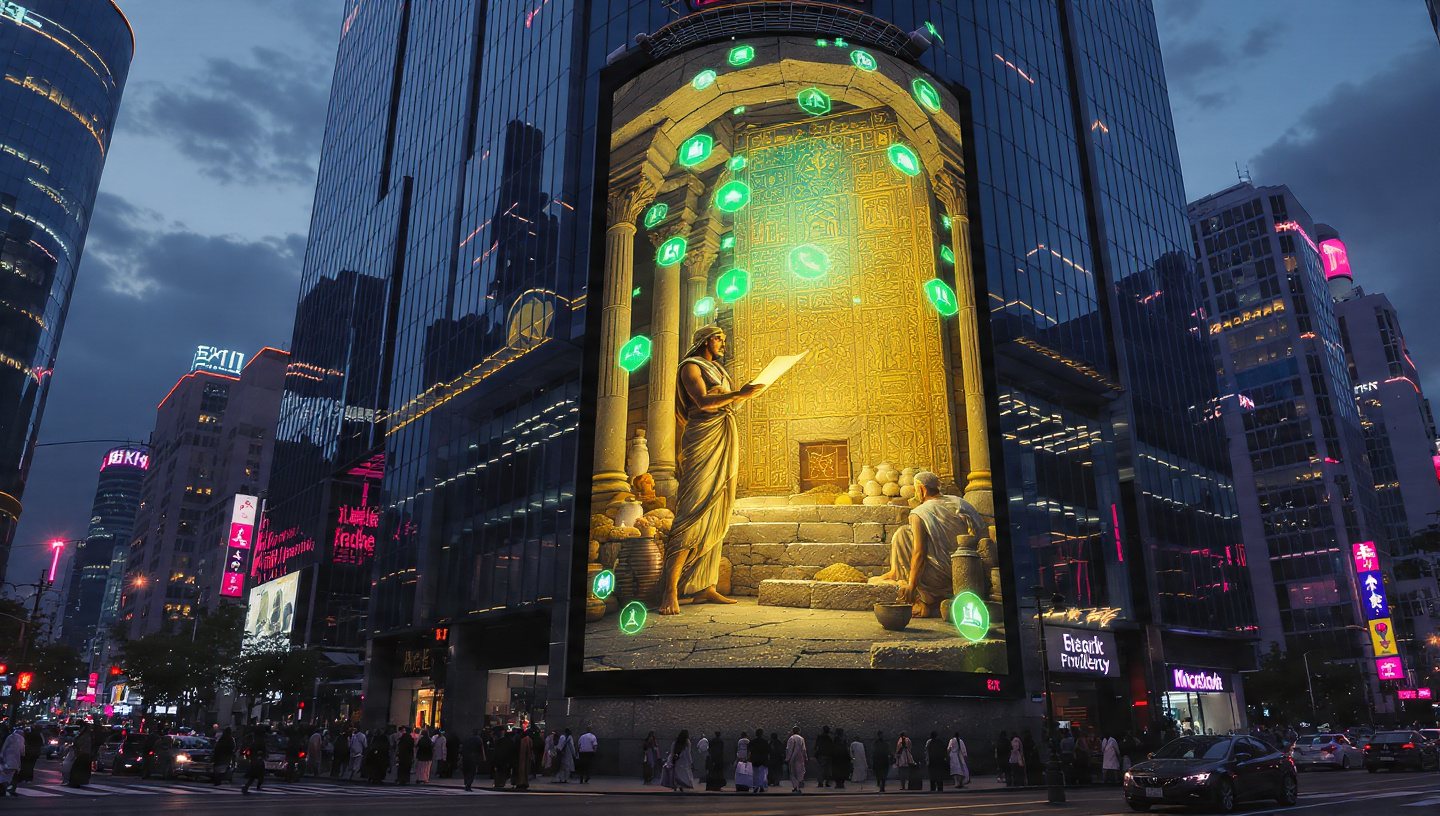
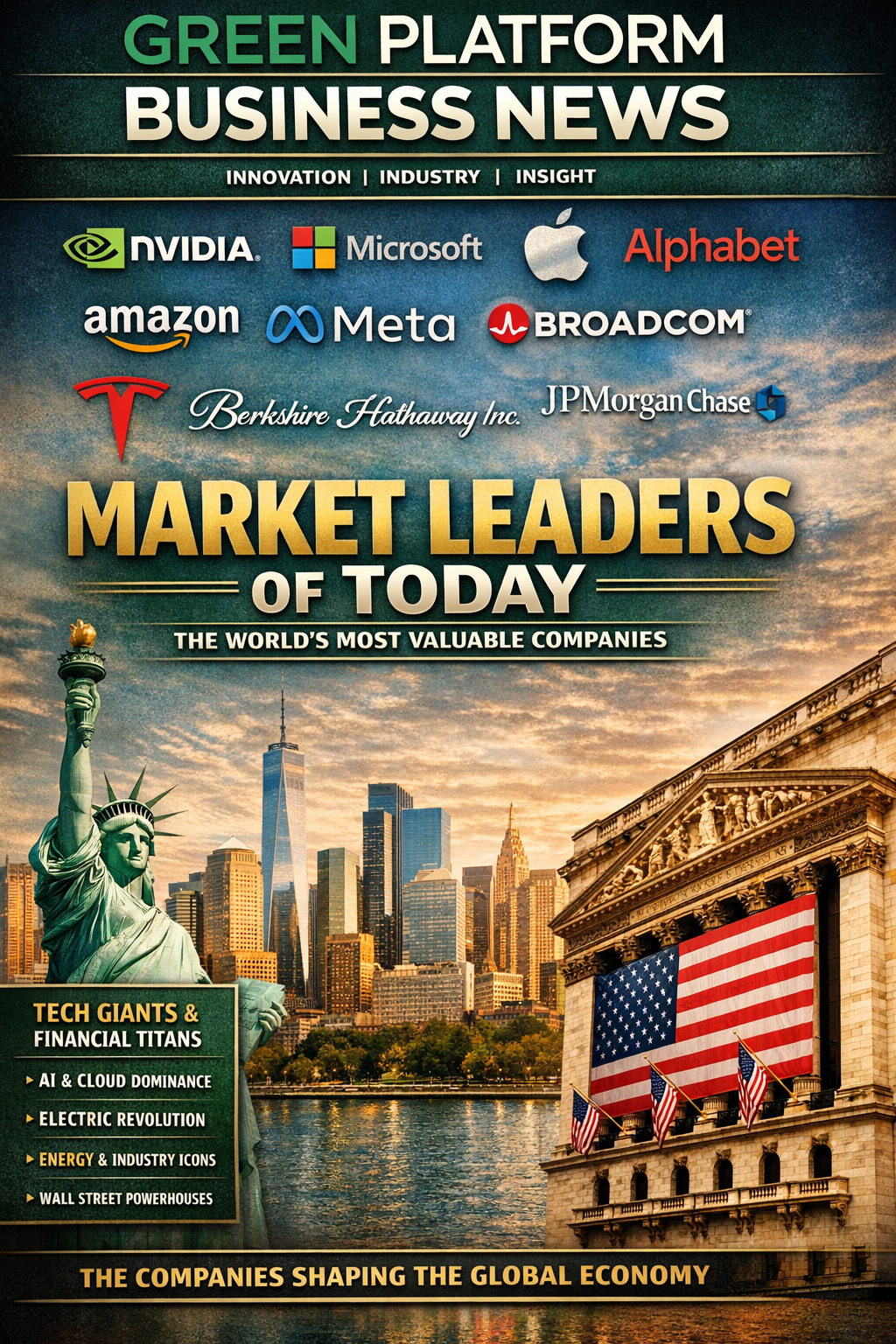
Today, we’re taking a look at the world’s most valuable publicly traded companies — names that continue to shape investor sentiment, influence major indices, and define leadership across the U.S. equity markets. While not all of these firms are listed exclusively on the New York Stock Exchange (many trade on Nasdaq), they are widely monitored for their impact on U.S. market performance and global business trends.

Let’s begin with the current leaders by market value and influence:

  • NVIDIA — Now widely recognized as the backbone of the AI boom, NVIDIA dominates high-performance computing with its GPUs powering data centers, artificial intelligence, and advanced research worldwide.
  • Microsoft — A global software leader that has successfully transitioned into cloud computing through Azure, while continuing to expand across enterprise services, productivity tools, and artificial intelligence.
  • Apple — Known for its tightly integrated ecosystem of devices and services, Apple remains one of the most valuable brands on Earth, driven by strong hardware sales and growing digital services revenue.
  • Alphabet — The parent company of Google continues to lead in digital advertising, search, and AI research, while expanding its footprint in cloud services and emerging technologies.
  • Amazon — Still the dominant force in global e-commerce, Amazon also operates one of the world’s largest cloud platforms through AWS, making it a dual powerhouse in retail and enterprise technology.
  • Meta Platforms — Owner of Facebook, Instagram, and WhatsApp, Meta remains a major player in digital communication while investing heavily in virtual reality and immersive technologies.
  • Broadcom — A key supplier of networking chips and enterprise software, Broadcom plays a critical behind-the-scenes role in global internet infrastructure and data centers.
  • Tesla — A leader in electric vehicles and clean energy, Tesla continues to influence both automotive innovation and renewable power storage.
  • Berkshire Hathaway — The diversified conglomerate led by Warren Buffett holds major stakes across insurance, energy, railroads, and consumer brands, making it one of the most stable long-term investment vehicles in the market.
  • JPMorgan Chase — America’s largest bank by assets, JPMorgan plays a central role in global finance, corporate banking, and consumer lending.

Now, while many of these technology giants trade on Nasdaq, the New York Stock Exchange continues to host some of America’s most established and influential corporations.

Among the standout NYSE-listed leaders:

  • Johnson & Johnson — A diversified healthcare giant spanning pharmaceuticals, medical devices, and consumer health products.
  • Exxon Mobil — One of the world’s largest energy producers, Exxon Mobil remains central to global oil, gas, and energy supply chains.
  • Bank of America — A cornerstone of U.S. retail and corporate banking, serving millions of consumers and businesses nationwide.
  • Coca-Cola — A globally recognized beverage brand with distribution networks reaching nearly every country.
  • Caterpillar — A leader in heavy machinery, Caterpillar supports infrastructure, mining, and industrial development around the world.

🧠 Green Platform Takeaway

Here’s the bigger picture.

The NYSE remains home to many of America’s legacy powerhouses in finance, healthcare, energy, and industrial manufacturing, while the broader U.S. market — including Nasdaq — is increasingly driven by technology and data-centric companies. Together, these firms represent the modern global economy: innovation on one side, foundational industries on the other.

From this desk, the message is clear, today’s market leadership isn’t defined by a single sector. It’s shaped by a balance of technology, finance, energy, healthcare, and consumer trust — reminding us that sustainable growth comes from both innovation and stability.

That’s your Green Platform Business News update.

Top 10 Tips for Startup Business Owners — and How to Grow Smarter with Green Platform

Starting a business is exciting — but it can also be overwhelming. Between building your product, finding customers, and managing costs, many startup owners feel pressured to immediately jump into large, expensive platforms for visibility.

While global brands like Google, Meta, Amazon, and Shopify offer powerful tools, they’re often optimized for scale — not for early-stage businesses working with limited budgets.

That’s where focused platforms like Green Platform come in: they help startups build visibility, engagement, and credibility without the heavy cost structure of enterprise marketing.

Here are 10 essential tips for startup owners — plus how Green Platform can help you apply each one.


1. Start with Clear Positioning

Before marketing anything, define:

  • Who you serve
  • What problem you solve
  • Why you’re different

Big platforms push ads to massive audiences, but clarity beats volume. Green Platform helps you present your mission, offerings, and values in one structured profile — so the right customers find you.


2. Be Discoverable Early

Many startups struggle because customers simply can’t find them.

Instead of competing immediately in expensive ad auctions, Green Platform provides organic visibility through business listings and discovery tools, helping customers reach you without paying per click.


3. Build Trust from Day One

People buy from businesses they trust.

Green Platform supports:

  • Verified business profiles
  • Transparent information
  • Reviews and engagement

This creates credibility faster than anonymous ads on large networks.


4. Engage — Don’t Just Advertise

Major platforms focus heavily on impressions and clicks.

Green Platform emphasizes interaction:

  • Messaging
  • Customer engagement
  • Community presence

This turns visitors into relationships — not just traffic.


5. Track What Actually Matters

Enterprise tools often overwhelm startups with complex dashboards.

Green Platform focuses on actionable insights — helping you understand visibility, engagement, and customer interest without needing a full analytics team.


6. Keep Marketing Costs Under Control

Paid ads on big platforms scale quickly in price.

Green Platform gives startups a cost-efficient digital presence that doesn’t depend on constant ad spending, making it easier to grow sustainably.


7. Highlight Your Values

Modern customers care about purpose.

Green Platform allows businesses to showcase:

  • Sustainability practices
  • Ethical standards
  • Community impact

This is something large generic platforms rarely prioritize.


8. Grow Locally Before Going Global

Instead of trying to conquer the world immediately, smart startups build momentum locally.

Green Platform supports targeted discovery, helping you connect with nearby or aligned audiences first — a proven way to build strong foundations.


9. Centralize Your Online Presence

Managing separate tools for listings, messaging, and visibility gets messy fast.

Green Platform brings these together into one ecosystem, simplifying operations so founders can focus on growth.


10. Choose Connection Over Noise

Big platforms are crowded. Small businesses often get buried.

Green Platform offers a focused environment where startups aren’t competing against massive corporations for attention — giving emerging brands space to be seen, heard, and chosen.


🧠 Conclusion: Grow with Purpose, Not Just Scale

Every successful startup begins the same way: with visibility, trust, and meaningful connection.

While major platforms excel at global scale, they often demand significant budgets and technical expertise. Green Platform takes a different approach — helping startups build credibility, engagement, and discoverability in a more accessible and purpose-driven way.

By combining structured listings, customer interaction, sustainability visibility, and practical insights in one place, Green Platform empowers business owners not only to launch — but to grow intelligently.

In today’s digital economy, success isn’t just about being everywhere.
It’s about being visible to the right people, trusted by your customers, and connected through purpose.

And that’s where Green Platform gives startups their edge.

From Barter to the Digital Economy

✨ Introduction

From the earliest barter exchanges in ancient civilizations to today’s interconnected digital marketplaces, commerce has always revolved around one timeless principle: connecting people through value, trust, and visibility. Over centuries, trading evolved from face-to-face markets and long-distance trade routes into industrial supply chains and, eventually, online platforms that operate at global scale. While the tools have changed, the goal remains the same — helping businesses be discovered, understood, and chosen.

In this modern chapter of commerce, platforms like Green Platform reflect how trade continues to adapt. Just as historical marketplaces created spaces for merchants to meet buyers, today’s digital ecosystems provide businesses with structured visibility, meaningful engagement, and data-driven insights. Green Platform builds on this legacy by offering more than simple online listings — it connects conscious businesses with aligned consumers through a trusted registry, sustainability snapshots, and integrated digital presence. In many ways, it represents the natural evolution of commerce: moving beyond transactions toward informed connections and long-term relationships.


🧠 Conclusion

Looking back across history — from ancient barter systems and medieval trade routes to industrial capitalism and digital economies — one truth stands out: commerce succeeds when people can find each other, communicate clearly, and build trust at scale. Every major leap in trading was driven by better systems of connection, whether through laws, routes, factories, or technology.

Today, that same pattern continues through modern platforms. Green Platform carries forward these age-old principles by helping businesses strengthen their online presence, showcase their values, and engage customers through transparent information and actionable insights. By combining visibility, credibility, and community in one ecosystem, it empowers businesses not only to be seen, but to grow with purpose.

Commerce has never stopped evolving — only its tools have. And just as merchants once adapted to new trade routes or industrial methods, today’s businesses thrive by embracing digital platforms that prioritize connection, engagement, and informed decision-making. In this way, Green Platform doesn’t replace the history of trade — it extends it into the digital age, proving that even after thousands of years, successful commerce still begins with being visible, trusted, and connected.

💻 Technology — The Digital Age (1970s–Present)

Origins: United States (Silicon Valley), later global
Era: Late 20th century onward

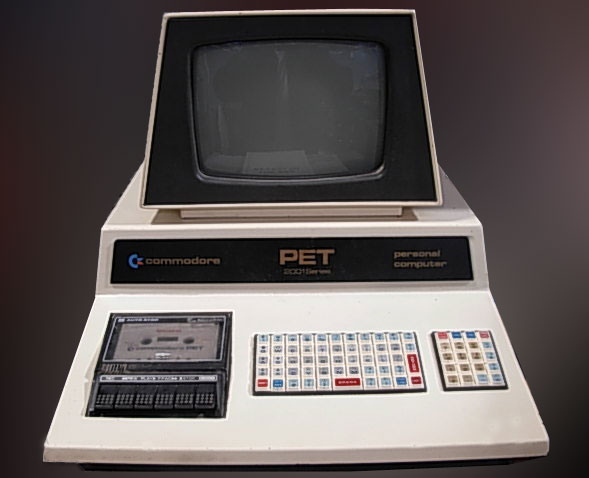
The technology industry reshaped everything: communication, commerce, media, and work. Companies like Apple, Microsoft, and Google transformed software into the world’s most scalable product.

Unlike earlier industries, tech grows exponentially because code can be replicated instantly across the globe.

Why it matters

  • Near-zero distribution cost
  • Network effects (more users = more value)
  • Automation of knowledge work

Strategic lessons from technology

  • Platform thinking
  • Speed of iteration
  • Data as an asset

This is currently the fastest-moving and most disruptive global industry.


🧠 Final Takeaway

Across all eras — from ancient farming to artificial intelligence — the winning industries share the same foundations:

  • Strong systems and infrastructure
  • Control of distribution
  • Ability to scale efficiently
  • Continuous innovation

Technology may dominate headlines today, but every modern success still stands on agriculture, energy, manufacturing, and finance.

https://www.lighterra.com/articles/historyofcomputers/commodorepetlarge.jpg
https://images.openai.com/static-rsc-3/FdSPfnH6HLNA7pLLcVOLTyzMlGOT3ZTsHUsAErUBS5YLV1NMtFl00AJUHuxkWQ5La2x3m7FsTeWCD1i-lTQaJZQS6TUazi76OwsOZmF7On0?purpose=fullsize
https://images.openai.com/static-rsc-3/m0GjTJpk-j0KK3e_MSA1-Q-tsWXI04J9TcG1uj-mMaqn4BgIaSA3dNgjo1k4noxLthabik5bAMRGdWAhlAH3ZkieW9RwYMmAn0V9w-F2n-Y?purpose=fullsize

Era: Mid-19th century onward

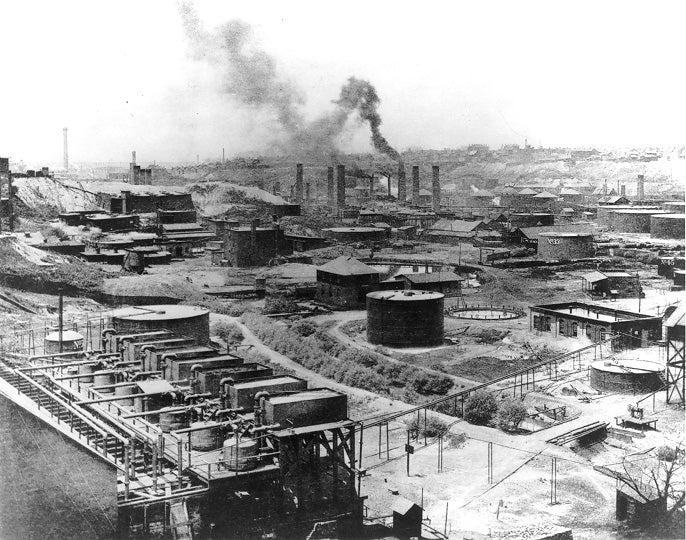
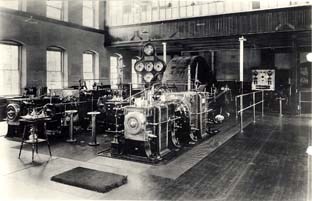
Energy became a dominant industry after Edwin Drake drilled the first commercial oil well in Pennsylvania (1859). Soon after, Standard Oil built one of history’s most powerful industrial empires by controlling refining, transport, and pricing.

Later, oil-rich regions in the Middle East reshaped geopolitics, while coal and electricity fueled factories and cities.

Why it mattered

  • Enabled transportation, manufacturing, and electrification
  • Defined modern geopolitics
  • Created vast infrastructure networks

Strategic lessons from energy

  • Infrastructure dominance (pipelines, grids, refineries)
  • Long-term capital investment
  • Control of distribution

Today, this sector is rapidly shifting toward renewables — but the same infrastructure logic still applies.

https://cdn.sanity.io/images/s3y3vcno/production/6f2a37a230e4d4072ecfbf53aa538320fac85f73-1500x985.jpg?auto=format
https://walklondon.com/london-walks/walk-london-images/city-of-london/royal-exchange-1250.jpg
https://images.openai.com/static-rsc-3/NejC8j4zA0qxstOZp3jvKAyzPEd90n8SxxlsBqDGe2NwtXOTRz3zijjnjKrRJWc0bpQ9yWJozAp6AyQRbnJpcpsVrYl9dq63Gzq1ffYQpqw?purpose=fullsize

5

Origins: Italy (Florence), Netherlands, United Kingdom

🛢️ Energy — Powering Modern Civilization (mid-1800s)

https://images.openai.com/static-rsc-3/sHCkhX0LqGO6SKR_G8-bgtz3IFoji-hRedr3YQmr1eE5MPT_ePBijIWtcgrrjHCM8OGnWguLRQy9UoVaWGLrC6lxhnlyJXRwMD313d1N6mo?purpose=fullsize
https://case.edu/ech/sites/default/files/2018-05/A19.jpg
https://www.locallocalhistory.co.uk/brit-land/power/images/b-land-1930-coal-fired-power-station-s.jpg

Origins: United States, Russia, Middle East
Era: Mid-19th century onward

Energy became a dominant industry after Edwin Drake drilled the first commercial oil well in Pennsylvania (1859). Soon after, Standard Oil built one of history’s most powerful industrial empires by controlling refining, transport, and pricing.

Later, oil-rich regions in the Middle East reshaped geopolitics, while coal and electricity fueled factories and cities.

Why it mattered

  • Enabled transportation, manufacturing, and electrification
  • Defined modern geopolitics
  • Created vast infrastructure networks

Strategic lessons from energy

  • Infrastructure dominance (pipelines, grids, refineries)
  • Long-term capital investment
  • Control of distribution

Today, this sector is rapidly shifting toward renewables — but the same infrastructure logic still applies.

🧵 Manufacturing — The Industrial Revolution (late 1700s)

Origins: United Kingdom → Europe → United States
Era: Late 18th to early 20th century

Manufacturing transformed handcrafted production into machine-driven mass output. Britain led with textile mills and steam engines, while the U.S. later perfected scale and efficiency.

A turning point came with Ford Motor Company, when Henry Ford introduced the moving assembly line (1913), cutting production time dramatically and making automobiles affordable to the public.

Why it mattered

  • Lowered costs through mass production
  • Created urban workforces
  • Sparked global trade in finished goods

Strategic lessons from manufacturing

  • Process optimization (assembly lines, standardization)
  • Vertical integration (owning raw materials + production)
  • Automation as leverage

These principles still drive modern factories, now powered by robotics and AI.Manufacturing — The Industrial Revolution (late 1700s)

https://images.openai.com/static-rsc-3/2ZYkf_4ZwfiIxKHJsMNFUyOKlO_3PaHwsIZHTxtBrkBdQnMTja-EXmbKsjoKkk3HsSzqDaVavtroWV5x9f7HgFRB-SkPFB2kFJkGIJAuyc0?purpose=fullsize
https://www.nps.gov/spar/learn/historyculture/images/Corliss.jpg?autorotate=false&maxwidth=650
https://www.thoughtco.com/thmb/Ys0haYoGtwE1IWTucFrxxt2BFOo%3D/1500x0/filters%3Ano_upscale%28%29%3Amax_bytes%28150000%29%3Astrip_icc%28%29/fordassemblyline-56b6b8355f9b5829f83428af.jpg

A Historical Journey from Ancient Trade to Digital Empires

A Historical Journey from Ancient Trade to Digital Empires. The world’s largest industries didn’t appear overnight. They evolved over thousands of years through innovation, trade routes, industrial revolutions, and (more recently) digital transformation. Understanding when these industries emerged — and why they succeeded — gives powerful insight into how today’s global economy was built.

Below is a historical walk through the most influential industries, the countries and organizations that shaped them, and the strategic principles that still matter today.


🌾 Agriculture — The First Global Industry (c. 10,000 BCE)

https://images.openai.com/static-rsc-3/HLXOwzkSowU_R0dxU5G39UksCZiNlgHW1nfwhbrMps7GUpWCv5IPLNcRD1fMx-s_93Cth0krZbvJQZbe8ehAjjCyga1iB36BaYE9rrhuPU0?purpose=fullsize

5

Origins: Fertile Crescent (modern Iraq, Syria, Turkey), later China, India, Egypt
Era: Neolithic Revolution (~10,000 BCE)

Agriculture marks humanity’s first large-scale industry. Early civilizations in Mesopotamia, the Yellow River basin, and the Nile Valley learned to domesticate crops and animals, enabling permanent settlements and population growth.

Why it mattered

  • Created food surplus → allowed specialization (crafts, trade, governance)
  • Enabled cities, taxation, and early commerce
  • Formed the foundation for every later industry

Strategic lessons from agriculture

  • Control of supply chains: irrigation, storage, and seasonal planning
  • Scalability: terrace farming, crop rotation, and later mechanization
  • Localization: adapting crops to climate and geography

Modern agribusiness builds on these same ideas — just with satellites, genetics, and logistics.


Beyond the Basics

Social media and email allow for direct, two-way communication. Businesses can build communities, gather feedback, run polls, and foster loyal customer relationships.

At Green Platform, we believe a digital business listing is more than just an online directory entry — it’s a living connection between your brand and your audience.

In today’s digital landscape, visibility is only the beginning. What truly drives growth is interaction. That’s why Green Platform goes beyond basic listings to help your business thrive in a connected world.

Through integrated social media visibility, smart email engagement, and community-driven discovery, we enable your brand to do more than just appear online — it gets noticed, trusted, and remembered.

💬 Two-Way Communication That Builds Trust

Your listing on Green Platform becomes an active communication hub. Customers can connect with you directly, share feedback, respond to promotions, or join your community. It’s digital word-of-mouth — amplified.

A Digital Prescription for Business

Move beyond the obvious. It’s not just about having a website, but leveraging a holistic online presence (website, social media, email marketing, directories) for strategic growth.

In today’s fast-changing marketplace, having a website is no longer enough.
Many businesses treat their website like a digital business card — something static, a simple presence online.
But growth in the digital era requires something deeper: a holistic online presence that connects, communicates, and converts.

That’s the new digital prescription for business — and it’s transforming how modern brands thrive.


Beyond the Website: The Power of Integration

Your website is your foundation, but it’s only one part of a much larger ecosystem.
To truly stand out, you need to interconnect your online assets — your website, social media, email campaigns, and online directories — into a single, strategic system that works together.

Went strengthens the other — forming a complete digital ecosystem that builds visibility, trust, and growth.