Best Service Providers for Small Business

For decades, the “common person” relied on two massive paper pillars to navigate local commerce: the newspaper classified ads and the thick, yellow phone directory found in almost every neighborhood phone booth. While the smell of newsprint and the sound of flipping through the Yellow Pages are now nostalgic memories, the core mission remains the same: connecting people with the help they need.

Today, that mission has migrated from the dusty phone booth to the smartphone. Finding the right service providers for small business success has never been more accessible, yet the history of how we got here is fascinating.

Newspaper Classified Ads

Before the internet, the newspaper classifieds were the original “search engine” for daily needs. Whether you were looking for a local carpenter or a used bicycle, you scanned columns of tiny text. It was a community-driven marketplace that taught us how to search by category. For common people, it was the first place to look for work or hire help, providing a democratic way for any small business to be seen.

The Famous Phone Booth Directory

Following the daily classifieds, the famous phone directory became the definitive business database. It was universal—literally chained to the desk of every public phone booth. If you were out in the city and needed a service, you let your “fingers do the walking.” While revolutionary, these paper directories lacked the specific filters modern consumers need, such as checking real-time reviews or verifying if a company was still active.

Searching for Businesses Near Me

In the digital age, search intent has become much more immediate. The average person is no longer just looking for “a plumber”; they are searching for businesses near me. This shift toward “Local SEO intent” means that a standard list of names and numbers is no longer enough.

Modern users want to see photos, ratings, and instant contact options before they spend their money. This digital evolution has transformed how we discover local experts, making it easier than ever to support the community.

Growing Your Business Online

As the directory has evolved, so has the way companies must present themselves. If you operate an ethical company, being invisible in the digital space is no longer an option. You must go where the customers are looking.

The most critical step for any entrepreneur today is learning how to effectively manage their business online. Unlike the old days of simply buying a larger ad in the phone booth book, digital registration allows you to:

  • Target the Right Audience: Reach people specifically looking for your niche.
  • Build Trust: Use digital reviews to prove your reliability.
  • Improve Visibility: Show up precisely when someone searches for service providers for small business in your specific area.

A Smarter Way to Connect

The journey from the ink-stained classifieds to a high-tech digital registry reflects our changing world. We still want the convenience that the old phone booth directory provided, but we now demand the transparency and speed that only a modern platform can offer. By moving your business online, you aren’t just joining a list—you are making it easier for your neighbors to find exactly what they need.


The Evolution of the Business Directory

For decades, the “common person” relied on two massive paper pillars to navigate local commerce, the newspaper classifieds and the thick, yellow phone directory found in almost every neighborhood phone booth. While the smell of newsprint and the sound of flipping through the Yellow Pages are now nostalgic memories, the core mission remains: connecting people with the services they need.

Today, that mission has moved from the phone booth to the smartphone. However, as consumers become more conscious of their environmental impact, a new challenge has emerged: finding businesses that actually share their values.

Classifieds and Phone Booth Directories

Before the internet, the newspaper classifieds were the original “search engine” for daily needs. Whether you were looking for a local carpenter or a used bicycle, you scanned columns of tiny text. It was a community-driven marketplace that taught us how to search by category.

Following the classifieds, the famous phone directory became the definitive business database. It was universal—literally chained to the desk of every public phone booth. If you were out in the city and needed a service, you let your “fingers do the walking.” While revolutionary, these paper directories lacked the specific filters modern consumers need, such as verifying if a company is truly eco-friendly.

How to Find Eco-Friendly Businesses Near Me

In the digital age, search intent has become much more specific. The average person is no longer just looking for “a cafe”; they are searching for how to find eco-friendly businesses near me.

This shift toward “Local SEO intent” means that a standard list of names and numbers is no longer enough. Modern users want to see certifications, sustainable practices, and community impact before they spend their money. This is where the Green business registry has stepped in to replace the outdated, generic phone book. A specialized registry acts as a trusted filter, ensuring that “green” isn’t just a marketing buzzword but a verified business standard.

How to Register a Sustainable Business Online

As the directory has evolved, so has the way businesses must present themselves. If you operate an ethical company, being invisible in the digital space is no longer an option. You must go where the conscious consumers are looking.

Knowing how to register a sustainable business online is the most critical step for modern entrepreneurs. Unlike the old days of simply buying a larger ad in the Yellow Pages, digital registration in a specialized Green business registry allows you to:

  • Target the Right Audience: Reach people specifically looking for sustainable alternatives.
  • Build Trust: Use verified badges to prove your eco-credentials.
  • Improve Local Visibility: Show up precisely when someone searches for sustainable options in your specific area.

A Smarter Way to Connect

The journey from the ink-stained classifieds to a high-tech Green business registry reflects our changing world. We still want the convenience that the old phone booth directory provided, but we now demand the transparency and values that only a modern, sustainable platform can offer. By moving your business into these specialized digital spaces, you aren’t just joining a list—you are joining a movement.

10 Oldest Clothing Businesses in Europe Still Operating as of 2026

A survival story of fabric, craftsmanship, and timeless style.

Before fast fashion flooded high streets…
before synthetic fibers reshaped production…
before sustainability became a global fashion mandate…

Europe was already tailoring the world.

From royal outfitters and heritage textile mills to luxury fashion houses and traditional cloth makers, a small group of clothing businesses have survived centuries of economic upheaval, wars, industrial revolutions, and shifting trends.

They didn’t just make clothes.
They shaped culture.

And they’re still operating in 2026 — fair dinkum longevity.


🌍 Europe’s Fashion Foundations

Across France, Italy, the United Kingdom, Spain, Sweden, and Germany, clothing houses became symbols of craftsmanship and prestige.

Hand-stitched tailoring evolved into industrial textile mills.
Wool and linen gave way to global supply chains.
Luxury couture expanded into global brands.

The ones that survived adapted — without losing their identity.


👑 1. John Smedley — United Kingdom

Founded: 1784
🌐 https://www.johnsmedley.com

One of the oldest continuously operating textile manufacturers in the world, known for fine knitwear. Still producing premium garments from its original Derbyshire mill.


🧵 2. Pringle of Scotland — Scotland

Founded: 1815
🌐 https://www.pringlescotland.com

Renowned for luxury knitwear and the iconic argyle pattern. A heritage Scottish brand that has endured shifting fashion cycles.


👔 3. Brooks Brothers (European Operations & Influence)

Founded: 1818 (US origin, strong European presence historically)

Although American-founded, its tailoring traditions influenced European formalwear markets for generations.


👗 4. Hermès — France

Founded: 1837
🌐 https://www.hermes.com

Originally a harness workshop, Hermès evolved into one of the world’s most prestigious luxury fashion houses.


👠 5. Loewe — Spain

Founded: 1846
🌐 https://www.loewe.com

Spanish luxury fashion house specialising in leather craftsmanship.


🧥 6. Aquascutum — United Kingdom

Founded: 1851
🌐 https://www.aquascutum.com

Famous for waterproof wool coats — a proper British outerwear pioneer.


👚 7. Burberry — United Kingdom

Founded: 1856
🌐 https://www.burberry.com

Iconic British brand known for trench coats and its signature check pattern.


🧶 8. Lodenfrey — Germany

Founded: 1842
🌐 https://www.lodenfrey.com

Traditional Bavarian clothing house known for loden wool garments.


👗 9. Lanvin — France

Founded: 1889
🌐 https://www.lanvin.com

One of the oldest Parisian couture houses still in operation.


👖 10. Acne Studios — Sweden

Founded: 1996 (Modern compared to others, but an influential European fashion house)
🌐 https://www.acnestudios.com

Represents the transition of European fashion into contemporary global branding.


🌱 From Heritage Craftsmanship to Sustainable Fashion

The clothing industry in 2026 faces immense environmental scrutiny.

Water consumption.
Carbon emissions.
Waste generation.
Ethical sourcing.

Many historic clothing houses are now investing in:

✔ Sustainable materials
✔ Organic cotton and recycled fabrics
✔ Circular fashion models
✔ Ethical production chains
✔ Transparent sourcing practices

These shifts align them with modern eco certified companies leading responsible production.


🌍 Why Sustainability Visibility Matters

Today’s consumers are more conscious than ever.

They want traceability.
They want accountability.
They want ethical production.

Being listed in a trusted green business directory allows heritage clothing brands to demonstrate:

  • Sustainable sourcing certifications
  • Carbon reduction initiatives
  • Ethical supply chain management
  • Alignment with environmental standards

A reputable green business directory helps connect clothing manufacturers with global buyers seeking eco certified companies.

Because mate, in 2026, looking good isn’t enough — brands need to do good too.


🔥 Final Thoughts

These European clothing businesses survived:

Industrial revolutions.
Global wars.
Fashion transformations.
Economic downturns.

They endured because they evolved.

Now, sustainability is the next evolution.

From royal tailors to global fashion houses, the brands that thrive will be those that combine heritage craftsmanship with environmental responsibility.

And honestly, if you’ve been stitching garments for over a century, you’ve earned your place — not just in fashion history, but in the future of responsible industry.

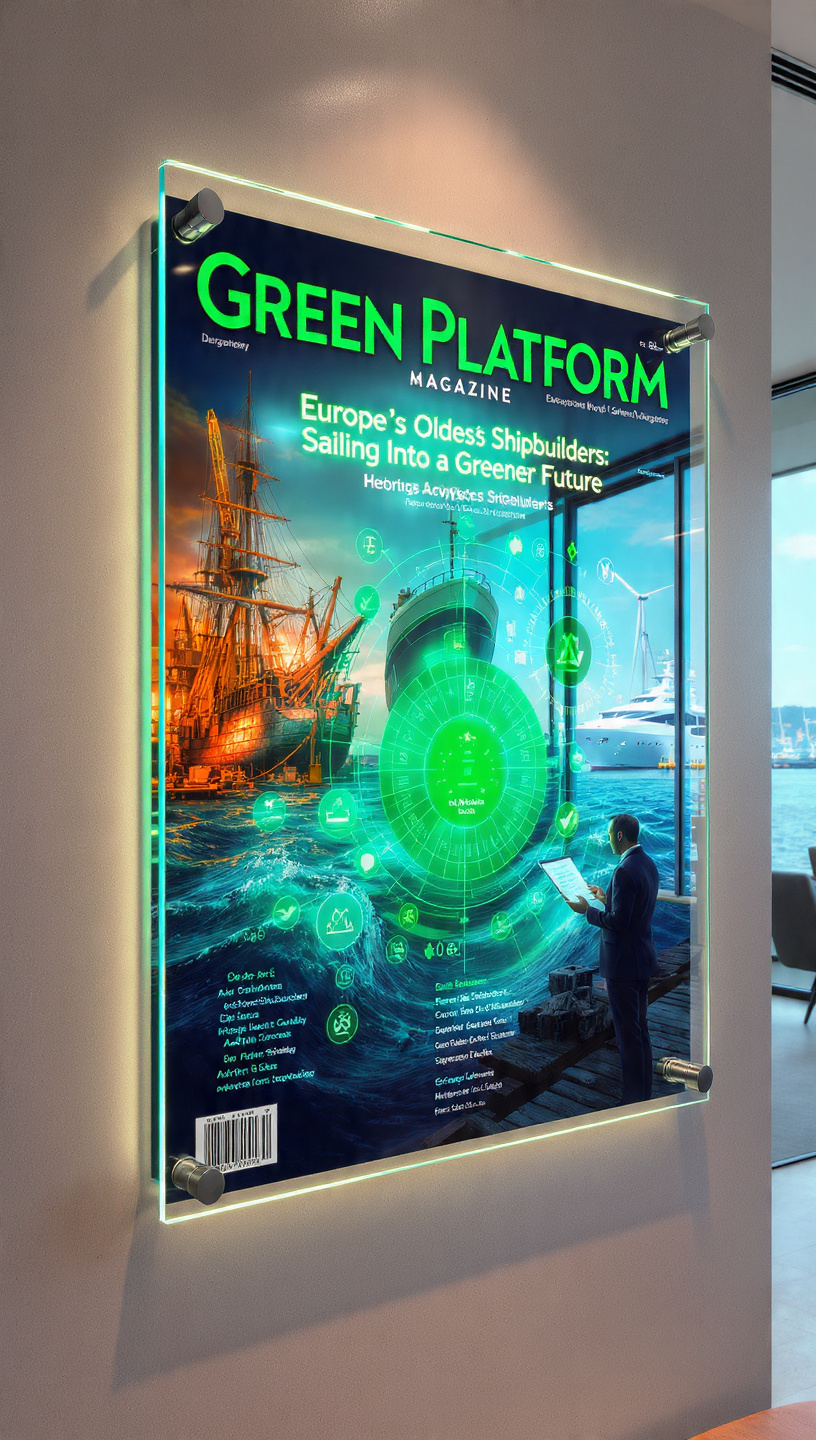
10 Oldest Ship & Boat Businesses in Europe Still Operating as of 2026

A survival story of timber, steel, saltwater, and serious maritime grit.

Before container ships crossed global trade routes…
before cruise liners became floating cities…
before naval engineering reached digital precision…

Europe was already building ships.

From wooden sailing vessels to modern hybrid propulsion yachts, a small group of shipbuilders have survived centuries of war, industrial revolutions, economic crises, and technological upheaval.

They didn’t just build boats.
They built empires, trade routes, and global influence.

And they’re still operating in 2026 — fair dinkum resilience.


🌍 Europe’s Maritime Backbone

Across the Netherlands, Germany, Italy, Norway, France, Spain, and the United Kingdom, shipyards became the backbone of Europe’s economic and naval strength.

Materials evolved.
Design methods modernised.
Environmental regulations tightened.

The strongest companies adapted — again and again.


🚢 1. Damen Shipyards Group — Netherlands

Founded: 1927
🌐 https://www.damen.com

Originally a small Dutch shipyard, Damen is now a global shipbuilding powerhouse producing naval vessels, workboats, and offshore support ships.


⚓ 2. Fincantieri — Italy

Founded: 1959 (heritage roots dating back to 1780s shipyards)
🌐 https://www.fincantieri.com

One of the world’s largest shipbuilding groups, constructing cruise ships, naval vessels, and offshore units.


🚢 3. Lürssen — Germany

Founded: 1875
🌐 https://www.lurssen.com

Famous for high-end yachts and naval vessels, Lürssen blends craftsmanship with advanced marine engineering.


⚓ 4. Meyer Werft — Germany

Founded: 1795
🌐 https://www.meyerwerft.de

One of the oldest continuously operating shipyards in Europe, known for building modern cruise liners and complex vessels.


🚢 5. Harland & Wolff — United Kingdom

Founded: 1861
🌐 https://www.harland-wolff.com

Historically famous for building the RMS Titanic. Still active in ship repair, offshore energy, and marine engineering.


⚓ 6. Navantia — Spain

Founded: 2005 (heritage roots in 18th century Spanish royal shipyards)
🌐 https://www.navantia.es

Major naval shipbuilder with centuries of maritime heritage behind it.


🚢 7. VARD — Norway

Founded: 1946 (heritage roots in 19th century Norwegian shipyards)
🌐 https://www.vard.com

Specialists in offshore and specialized vessels, now focused on sustainable marine design.


⚓ 8. Chantiers de l’Atlantique — France

Founded: 1861
🌐 https://chantiers-atlantique.com

Builders of some of the largest cruise ships in the world.


🚢 9. Benetti Yachts — Italy

Founded: 1873
🌐 https://www.benettiyachts.it

One of the world’s oldest luxury yacht builders — still crafting high-end vessels.


⚓ 10. Feadship (Royal Van Lent & Royal De Vries) — Netherlands

Founded: 1849 (heritage roots)
🌐 https://www.feadship.nl

Elite superyacht builder with deep Dutch maritime heritage.


🌱 From Historic Shipyards to Sustainable Seas

The maritime industry is under growing environmental pressure in 2026.

Stricter IMO regulations.
Carbon reduction targets.
Green propulsion research.
Hydrogen and electric marine systems.

Many of these historic shipbuilders are now investing in:

✔ Hybrid propulsion
✔ LNG-powered vessels
✔ Hydrogen-ready ships
✔ Sustainable materials
✔ Energy-efficient hull designs

This shift positions them alongside modern eco certified companies leading the transition toward cleaner oceans.


🌍 Why Visibility Matters in 2026

Today, sustainability is not optional.

Shipbuilders increasingly need to demonstrate compliance, innovation, and environmental leadership.

Being featured in a structured green business directory allows legacy maritime companies to showcase:

  • Clean vessel technologies
  • Sustainable shipyard practices
  • ESG compliance
  • Energy-efficient engineering

A credible green business directory connects shipbuilders with global procurement teams, investors, and partners seeking eco certified companies.

Because let’s be honest, mate — reputation now sails just as far as the ships themselves.


🚀 Final Thoughts

These European shipbuilders survived:

Wars.
Technological revolutions.
Economic collapses.
Industrial reinventions.

They adapted every single time.

Now, as sustainability reshapes global maritime trade, their next evolution isn’t just mechanical — it’s environmental leadership and digital visibility.

From wooden hulls to hybrid propulsion systems, these companies prove that endurance and innovation can go hand in hand.

And in 2026, the shipyards that thrive will be the ones steering toward a greener horizon.

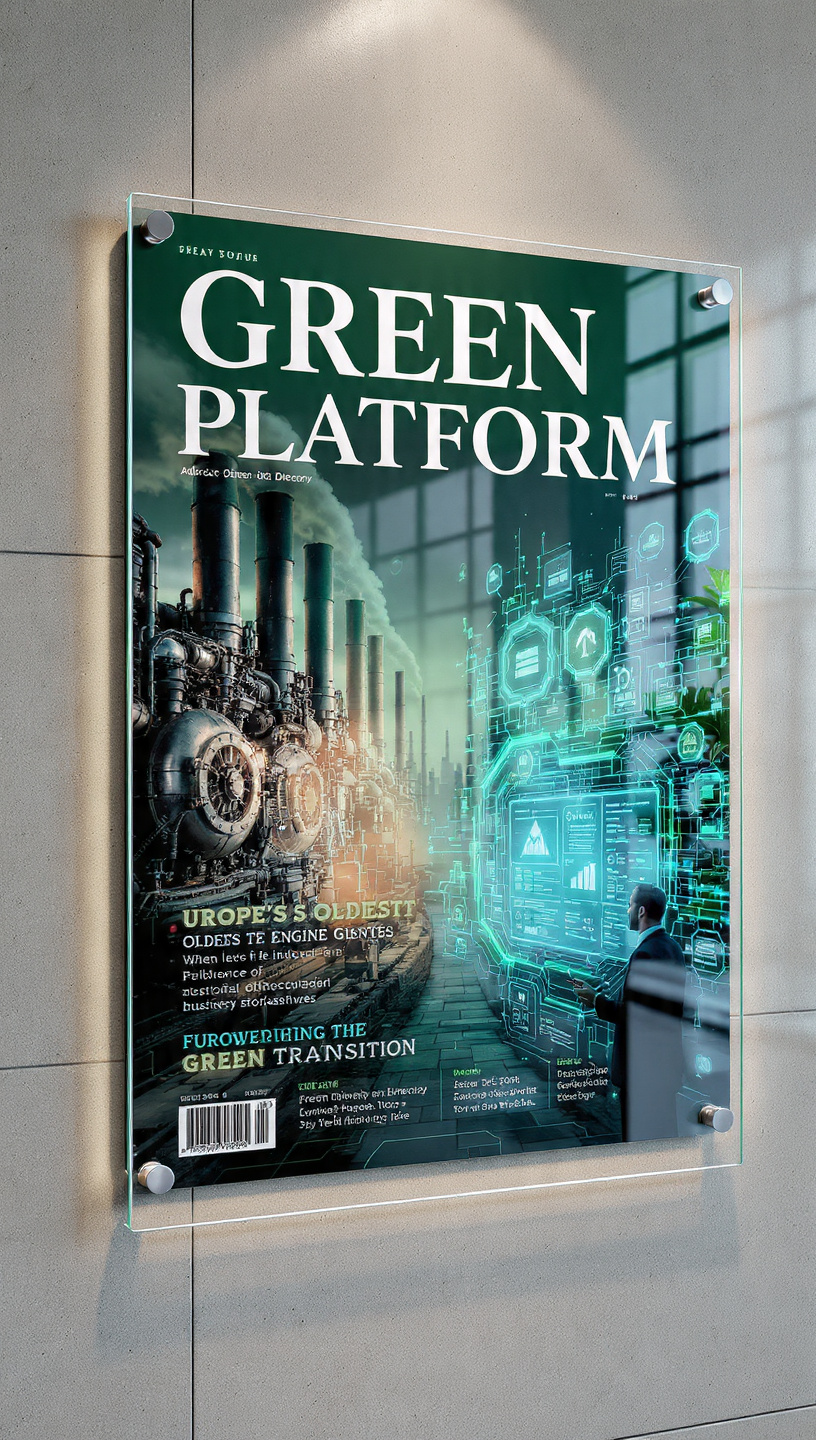
10 Oldest Engine Businesses in Europe Still Operating as of 2026

A survival story of steel, steam, diesel, and serious engineering grit.

Before electric vehicles dominated the news…
before sustainability targets reshaped industry…
before digital automation transformed factories…

Europe was already building engines.

From early steam machinery to high-efficiency marine propulsion systems, these companies powered ships, trains, farms, factories, and entire economies.

They survived wars.
They endured oil crises.
They adapted to emissions regulations.

And they’re still operating in 2026 — fair dinkum resilience.


🌍 The Industrial Backbone of Europe

Across Germany, the UK, Italy, Switzerland, Sweden, and Finland, engine manufacturers shaped the mechanical revolution that built modern Europe.

Materials evolved.
Fuel systems improved.
Emission standards tightened.

The strongest companies didn’t resist change — they engineered through it.


⚙️ 1. MAN Energy Solutions — Germany

Founded: 1758 (industrial roots), engine division established 1893
🌐 https://www.man-es.com
LinkedIn: https://www.linkedin.com/company/man-energy-solutions/

One of Europe’s oldest heavy industrial groups. MAN became a global leader in large diesel engines for marine and power generation sectors. Today, they’re investing in hydrogen and low-carbon propulsion systems.


🚢 2. Wärtsilä — Finland

Founded: 1834
🌐 https://www.wartsila.com
LinkedIn: https://www.linkedin.com/company/wartsila/

From a Finnish sawmill to a global marine propulsion powerhouse. Wärtsilä now develops hybrid and carbon-neutral energy systems.


⚙️ 3. Deutz AG — Germany

Founded: 1864
🌐 https://www.deutz.com
LinkedIn: https://www.linkedin.com/company/deutz-ag/

One of the world’s earliest internal combustion engine manufacturers. Deutz engines continue to power industrial and agricultural equipment globally.


✈️ 4. Rolls-Royce Power Systems (MTU) — Germany / UK

Founded: 1909
🌐 https://www.mtu-solutions.com
LinkedIn: https://www.linkedin.com/company/rolls-royce-power-systems/

High-performance engines for marine, rail, and defense applications. Precision engineering that still holds global influence.


🚜 5. Perkins Engines — United Kingdom

Founded: 1932
🌐 https://www.perkins.com
LinkedIn: https://www.linkedin.com/company/perkins-engines-company/

A well-known diesel engine brand in agricultural and construction machinery markets.


🛠️ 6. Sulzer — Switzerland

Founded: 1834
🌐 https://www.sulzer.com
LinkedIn: https://www.linkedin.com/company/sulzer/

Originally active in steam engine technology, Sulzer evolved into advanced industrial engineering and energy systems.


⚡ 7. Siemens Energy — Germany

Heritage Founded: 1847 (engineering origins)
🌐 https://www.siemens-energy.com
LinkedIn: https://www.linkedin.com/company/siemens-energy/

A major force in turbine and power systems, contributing to modern energy infrastructure and industrial development.


🚂 8. MTU Friedrichshafen — Germany

Founded: 1909
🌐 https://www.mtu-solutions.com
LinkedIn: https://www.linkedin.com/company/mtu-solutions/

Specialized in high-performance diesel engines used in marine, rail, and heavy industry.


🚛 9. Iveco (Fiat Industrial Roots) — Italy

Founded: 1899 (Fiat origins)
🌐 https://www.iveco.com
LinkedIn: https://www.linkedin.com/company/iveco-group/

Commercial vehicle and engine innovation with more than a century of industrial heritage.


🌊 10. Volvo Penta — Sweden

Founded: 1907
🌐 https://www.volvopenta.com
LinkedIn: https://www.linkedin.com/company/volvo-penta/

Marine and industrial propulsion systems provider, increasingly investing in electrified marine solutions.


🌱 Engine Legacy Meets Modern Sustainability

In 2026, long-established industrial companies face new expectations.

Environmental transparency.
Carbon reporting.
Clean technology innovation.

Many of these historic engine manufacturers are already investing in alternative fuels, hybrid systems, and emissions-reduction programs.

Visibility now matters just as much as engineering.

A presence in a trusted green business directory helps position these legacy brands as forward-thinking and environmentally responsible.

Being listed on a reputable green business directory site strengthens credibility, improves discoverability, and aligns historic industrial brands with modern sustainability standards.

Because today, it’s not just about horsepower.

It’s about responsibility.


🔥 Final Thoughts

These European engine companies didn’t last 100+ years by standing still.

They evolved.
They adapted.
They engineered through every challenge thrown at them.

Now, as sustainability reshapes global industry, visibility and environmental positioning matter more than ever.

And mate, if you’ve powered Europe for a century, you deserve to be recognised not just for your past — but for your future.

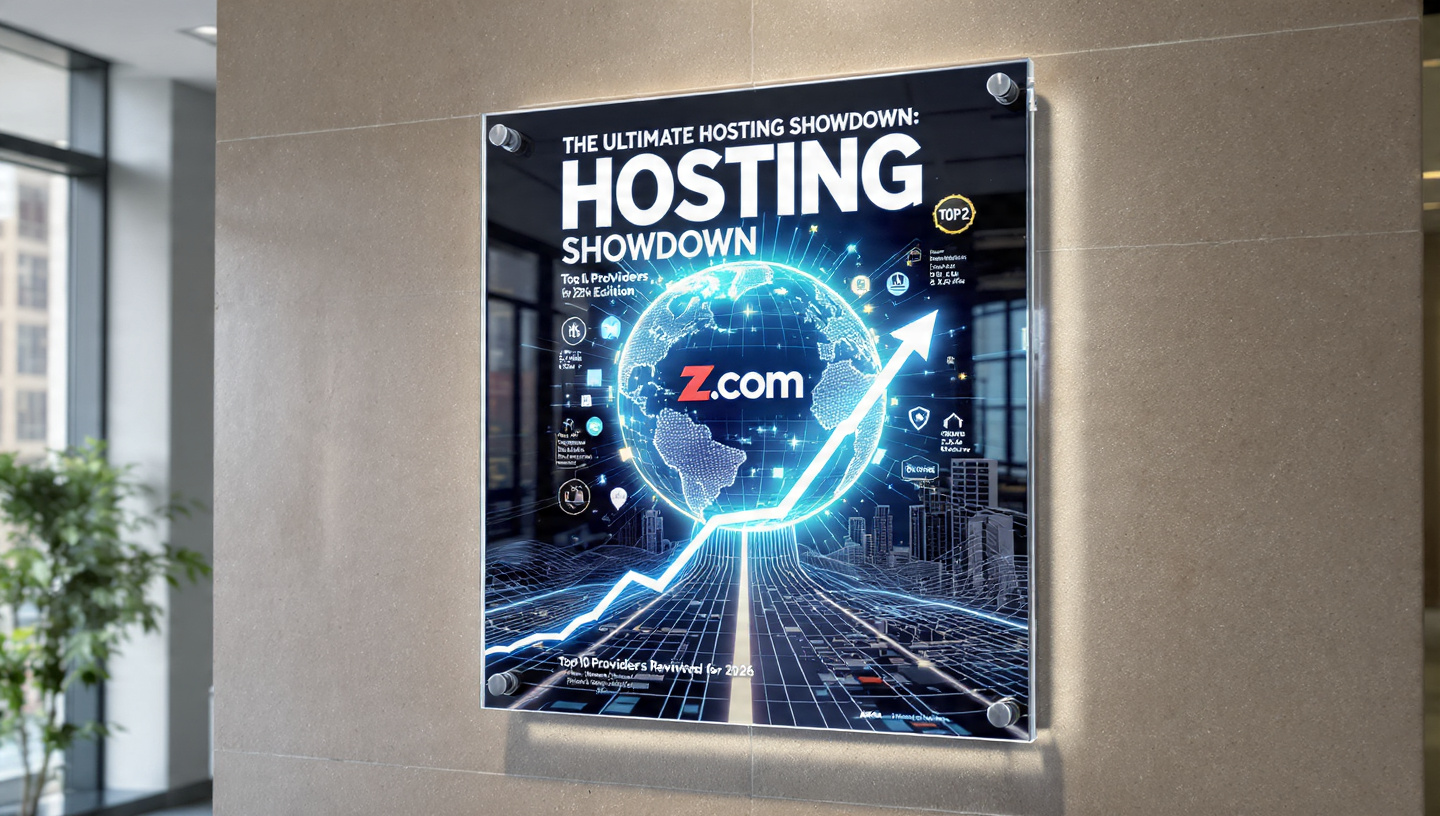
The Ultimate Hosting Showdown: Top 10 Providers Reviewed for 2026

In 2026, a website is only as good as the server it lives on. With the rise of AI-driven sites and high-traffic web apps, the “standard” for hosting has shifted. We have reviewed the market leaders based on Support, Speed, and Client-Friendliness.

Whether you’re building a simple blog or a complex custom WordPress plugin, here are the top 10 providers you need to know.

SiteGround The Performance Gold Standard


SiteGround continues to dominate by blending high-end Google Cloud infrastructure with beginner-friendly tools.

Support

Their 24/7 chat is nearly instant, and their technicians are famous for solving WordPress-specific code issues that other hosts won’t touch.

Speed

Between their “SuperCacher” technology and ultra-fast NVMe storage, SiteGround is built for low latency.

Client Friendliness

Their custom “Site Tools” dashboard is more modern and intuitive than traditional cPanel.

GMO Internet (Z.com) The Global Infrastructure Leader


Rising to the #2 spot globally this year, GMO Internet (operating internationally as Z.com) is a powerhouse of reliability.

Support

They offer a unique blend of high-level technical expertise with localized support across 13+ countries. Their response times are world-class, especially for corporate clients.

Speed

Leveraging their own massive data centers and “No. 1 commercial cloud” status in Japan, they provide a level of stability and bandwidth that few can match.

Client Friendliness

Their dashboard is designed for efficiency. For developers working on intensive projects (like email engines), their unmetered bandwidth and advanced security (Imunify360) are game-changers.

Hostinger The Value Champion


Hostinger remains the king of “bang for your buck,” providing premium features at a fraction of the cost.

Support

Helpful and multilingual, though strictly chat-based for most plans.

Speed

They use LiteSpeed Web Server (LSWS) across the board, which is significantly faster than the older Apache servers used by budget hosts.

Client Friendliness

Their custom “hPanel” is perhaps the most beautiful and easy-to-use interface on this list.

Bluehost The Beginner’s Best Friend


Bluehost stays on the list thanks to its official endorsement by WordPress.org and its “walk-you-by-the-hand” onboarding.

Support

Strong 24/7 phone and chat support specifically geared toward people who have never built a website before.

Speed

Reliable and consistent, with integrated Cloudflare CDN to speed up global content delivery.

Client Friendliness

They make the “technical” parts of the web disappear with one-click installs and automated security updates.

InMotion Hosting The Developer’s Choice


InMotion is a “workhorse” host. If you have a site with thousands of files, this is where you go.

Support

U.S.-based experts who understand SSH, Git, and database optimization.

Speed

Their “UltraStack” configuration is optimized for speed from the server level all the way to the browser.

Client Friendliness

They still offer a full, robust cPanel experience, which many veteran developers prefer over custom dashboards.

A2 Hosting The Speed Specialists


A2 is obsessed with “Time to First Byte” (TTFB). If your site feels sluggish, moving to their Turbo servers usually fixes it.

Support

Their “Guru Crew” is available 24/7/365 to help with migrations and speed tweaks.

Speed

Their Turbo plans promise 20x faster speeds by limiting the number of users on each server.

Client Friendliness

Easy-to-use staging environments allow you to test changes before they go live.

WP Engine Managed WordPress Excellence


WP Engine is not a general host; they are a WordPress-only specialist. They handle the “boring” stuff so you can focus on content.

Support

Deeply specialized. If your WordPress site breaks, they know why.

Speed

They use aggressive caching and a proprietary architecture that makes WordPress fly.

Client Friendliness

Includes access to premium Genesis themes and a very professional workflow management tool.

DreamHost The Privacy-First Veteran


DreamHost is a long-standing favorite for those who value corporate transparency and open-source software.

Support

Very human, very honest, and available around the clock.

Speed

They offer a 100% Uptime Guarantee—a bold claim that they consistently back up.

Client Friendliness

Their custom panel is clean, and they include “Privacy Protection” for free, whereas other hosts charge $15/year for it.

Kinsta The Premium Cloud


Kinsta is like the “luxury car” of hosting. It’s expensive, but the ride is incredibly smooth.

Support

All their support staff are highly skilled engineers. No “level 1” filters here.

Speed

Powered by Google Cloud’s highest-tier network, it handles traffic spikes better than almost anyone else.

Client Friendliness: The MyKinsta dashboard is widely considered the best-designed hosting panel in the world.

Namecheap The All-in-One Budget Solution


Known for domains, Namecheap’s hosting has become surprisingly robust in 2026.

Support

Friendly and quick, with an extensive knowledge base that is great for DIYers.

Speed

Very solid for small to medium sites.

Client Friendliness: Offers the most affordable cPanel plans on the market, perfect for those moving away from a local HDD development environment.

Conclusion

While the competition is fierce, we must give a very special mention to GMO Internet. In our testing for 2026, they have proven that they aren’t just a regional giant in Asia, but a global leader in Internet Infrastructure.

What truly sets GMO Internet apart is their “Spirit of Service.” While many Western hosts have begun to automate their support with frustrating AI bots, GMO has maintained a “human-first” approach, particularly through their Z.com brand. For developers building resource-heavy applications—like the email marketing suite you are planning—GMO’s combination of Japanese precision engineering and massive server scale provides a foundation that is both incredibly fast and nearly unbreakable.

10 oldest Publishing business in Philippines that is still Open or operating as of today 2026

📖 Introduction

Compared to Europe or the United States, the Philippine publishing industry is relatively young — but it carries a powerful legacy shaped by education, journalism, faith, and nation-building. From early newspaper presses to textbook pioneers and independent literary houses, Filipino publishers have played a vital role in shaping public discourse, preserving culture, and expanding access to knowledge.

Despite economic shifts, digital disruption, and changing reading habits, several publishing businesses founded in the 20th century continue to operate as of 2026. These organizations span newspapers, academic presses, educational publishers, and trade imprints — each contributing in its own way to Philippine literature and learning.

Below are ten of the oldest publishing businesses in the Philippines that are still operating today, along with their official websites.


📰 1. Manila Bulletin Publishing Corporation (1900 – Present)

Website: https://mb.com.ph/

Founded in 1900, Manila Bulletin is widely regarded as the oldest continuously operating publishing company in the Philippines. What began as a shipping journal evolved into one of the country’s major newspapers and media publishers, now operating across print and digital platforms.


📚 2. National Book Store (1942 – Present)

Website: https://www.nationalbookstore.com/

Established during World War II, National Book Store grew from a small bookstore into the country’s largest book and school-supply retailer, while also functioning as a publisher and distributor of educational and reference materials nationwide.


📘 3. Rex Book Store (1950 – Present)

Website: https://www.rexestore.com/

Rex Book Store is one of the Philippines’ most influential educational publishers, producing textbooks and learning resources used by millions of students. Since 1950, Rex has remained central to Philippine basic and legal education.


🏫 4. University of the Philippines Press (1965 – Present)

Website: https://press.up.edu.ph/

As the official publishing arm of the national university, UP Press focuses on scholarly works, Filipino authors, history, and social sciences. It continues to play a major role in academic publishing and cultural preservation.


🎓 5. Ateneo de Manila University Press (1978 – Present)

Website: https://ateneopress.com/

Ateneo Press publishes academic titles, theology, philosophy, and Filipino literature. Since its founding, it has helped elevate Philippine scholarship and remains one of the country’s leading university presses.


📖 6. OMF Literature (1978 – Present)

Website: https://omflit.com/

OMF Literature is among the Philippines’ longest-running Christian publishers, producing books in English and Filipino focused on faith, family, leadership, and personal growth.


📚 7. Bookmark Inc. (1980 – Present)

Website: https://www.bookmark.com.ph/

Bookmark Inc. is a well-known Filipino trade publisher recognized for children’s books, Filipino authors, and culturally relevant titles. It has maintained a strong presence in local bookstores for over four decades.


🦒 8. Giraffe Books (1980 – Present)

Website: https://giraffebooks.ph/

Specializing in children’s literature, Giraffe Books has helped shape early Filipino reading experiences through locally written and illustrated titles, remaining active in educational publishing as of 2026.


📗 9. Alemar-Phoenix Publishing House (1960 – Present)

Website: https://www.alemarphoenix.com/

Alemar-Phoenix is a long-standing educational publisher known for textbooks and reference materials used in Philippine schools, particularly in science and mathematics.


📕 10. Anvil Publishing (1990 – Present)

Website: https://www.anvilpublishing.com/

Though younger than some on this list, Anvil Publishing has become one of the Philippines’ most respected independent publishers, championing Filipino authors, history, and contemporary nonfiction while maintaining continuous operations since 1990.


🌍 Conclusion

The Philippine publishing industry may not span five centuries, but its surviving institutions reflect resilience, cultural commitment, and adaptability. From century-old newspapers to university presses and textbook pioneers, these publishers have weathered wars, economic cycles, and technological change — while continuing to educate, inform, and inspire Filipinos.

As of 2026, these ten publishing businesses stand as pillars of Philippine print culture. Together, they represent more than commercial enterprises: they are stewards of learning, storytellers of national identity, and bridges between generations — proving that even in a digital age, meaningful publishing continues to thrive.

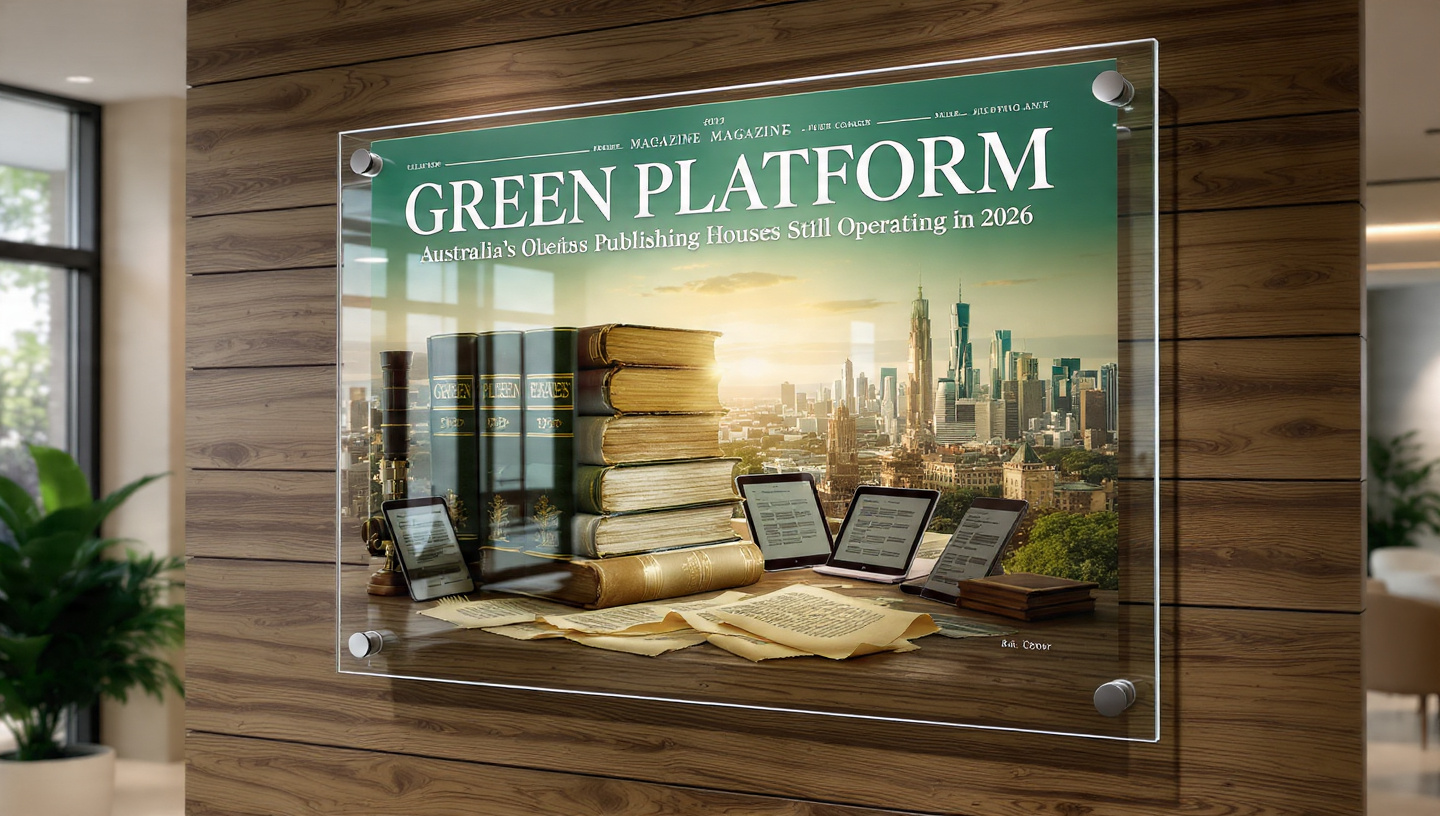
10 oldest publishing businesses in Australia still operating as of 2026

📖 Introduction

Australia’s publishing history may be younger than Europe’s or America’s, but it possesses a rich tapestry of institutions that have helped shape the nation’s literary, cultural, and academic landscapes. From university presses that elevated Australian voices to independent houses that champion local arts, some Australian publishers have endured decades of change — surviving market shifts, global competition, and evolving reader habits.

As of 2026, the following ten publishing businesses remain active in Australia, helping authors share their stories, research, and ideas with readers domestically and internationally. These houses represent a blend of university presses, independent imprints, and legacy imprints whose influence extends well beyond their founding years.


📚 1. Angus & Robertson (1888 – Present)

Website: https://angusrobertson.com.au/
Founded: 1888 (publishing program)

Originally founded as a bookseller and publisher in Sydney, Angus & Robertson played a significant role in early Australian book publishing, literature promotion, and educational works. Today the brand continues as an online bookselling and publishing imprint, now owned by Booktopia, preserving its historic influence in Australian publishing.


🎭 2. Currency Press (1971 – Present)

Website: https://currency.com.au/
Founded: 1971

Currency Press is the oldest independently owned active publisher in Australia focused on the performing arts — including plays, screenplays, handbooks, cultural histories, biographies, and reference works. Known for its specialized catalog and support of Australian theatre and performance culture, it remains a unique institution in the national publishing scene.


🏫 3. University of Queensland Press (UQP) (1948 – Present)

Website: https://www.uqp.com.au/
Founded: 1948

Founded as a university press, University of Queensland Press (UQP) has grown into one of Australia’s most respected publishing houses. It produces fiction, non-fiction, poetry, and children’s/YA titles, and has championed many award-winning Australian authors.


🏛️ 4. University of Western Australia Publishing (1935 – Present)

Website: https://uwap.uwa.edu.au/
Founded: 1935

UWA Publishing — originally the Text Books Board and later the University of Western Australia Press — is one of Australia’s earliest scholarly publishers. It produces a broad range of non-fiction and fiction titles, contributing significantly to Australian literary scholarship.


📘 5. University of New South Wales Press (UNSW Press) (1962 – Present)

Website: https://unsw.press/
Founded: 1962

UNSW Press is a not-for-profit Australian company affiliated with the University of New South Wales. Its imprints — including NewSouth Publishing — release award-winning literary and non-fiction books, with a strong focus on history, art, biography, and popular culture.


📖 6. Melbourne University Publishing (1922 – Present)

Website: https://www.mup.com.au/
Founded: 1922

Although not always independent — and strongly tied to the University of Melbourne — Melbourne University Publishing is one of Australia’s oldest scholarly presses. It continues to publish academic and general interest books, maintaining a long legacy of Australian thought leadership.


📚 7. Allen & Unwin (1976 – Present)

Website: https://www.allenandunwin.com/
Founded: 1976

Allen & Unwin is Australia’s largest independent publisher and has been a major force in bringing Australian voices to global readers. Known for quality fiction and non-fiction, Allen & Unwin has earned multiple “Publisher of the Year” acknowledgements and continues to champion local and international authors.


📒 8. Text Publishing (1990s – Present)

Website: https://www.textpublishing.com.au/
Founded: Early 1990s (Text)

Originally established in the early 1990s and now part of Penguin Random House Australia, Text Publishing is one of Australia’s most respected literary publishers. It continues to operate with strong editorial identity, publishing award-winning fiction and non-fiction.


📖 9. Hachette Australia (est. operations mid-20th century – Present)

Website: https://www.hachette.com.au/
Founded: Mid-20th century operations (Australian division of global house)

As part of the global Hachette Livre group, Hachette Australia has a strong and enduring publishing presence in Australia, producing a wide range of commercial and literary titles across genres.


📘 10. Penguin Random House Australia (est. as brands continue – Present)

Website: https://www.penguinrandomhouse.com/au/
Founded: Legacy brands since mid-20th century (merged entity continues)

Penguin Random House Australia represents some of the oldest imprints in modern Australian publishing through its continued operations and distribution of titles from legacy houses. It remains one of the country’s most influential publishers across genres.


🌍 Conclusion

While Australia’s publishing scene may have a shorter chronological footprint compared to older Western markets, its publishing institutions boast decades — and even a century — of influence. From university presses to independent houses and longstanding imprints tied to global networks, these publishers have helped define Australian literary and academic culture through changing landscapes.

Their continued operation in 2026 reflects both the resilience of print and the evolving ways stories are told, shared, and rediscovered in the modern world.

10 oldest publishing businesses in America still operating as of 2026

📖 Introduction

Long before digital platforms and global conglomerates dominated the world of content, American publishing grew from humble presses and entrepreneurial visionaries. From educational textbooks to literary classics, from university presses to specialized music publishers, some of the nation’s oldest publishing houses have endured centuries of change — adapting to new technologies, formats, and audiences while remaining active in 2026.

This article explores ten of the oldest publishing businesses in the United States that are still operating today, celebrating their history, impact, and continued relevance in a rapidly evolving cultural landscape.


📚 1. John Wiley & Sons (1807 – Present)

Website: https://www.wiley.com/
Founded: 1807
Headquarters: Hoboken, New Jersey, USA

One of America’s oldest continuously operating publishers, John Wiley & Sons — also known simply as Wiley — has been producing academic, instructional, scientific, and professional titles for over two centuries. Still active in 2026, Wiley publishes books, journals, encyclopedias, and electronic products for a global audience.


📘 2. Little, Brown and Company (1837 – Present)

Website: https://www.littlebrown.com/
Founded: 1837
Headquarters: New York, NY, USA

Founded in Boston in 1837, Little, Brown and Company has been publishing fiction, nonfiction, and scholarly works for nearly two centuries. The company has released landmark titles across genres and continues producing new books in multiple categories as part of the modern publishing ecosystem.


🏫 3. William H. Sadlier, Inc. (1832 – Present)

Website: https://www.sadlier.com/
Founded: 1832
Headquarters: New York, NY, USA

One of the oldest family-owned publishing companies in the United States, William H. Sadlier, Inc. began publishing educational materials in 1832 and continues to produce K–12 learning content and classroom resources today.


📖 4. G. Schirmer, Inc. (1861 – Present)

Website: http://www.schirmer.com/
Founded: 1861
Headquarters: New York, NY, USA

G. Schirmer has been America’s oldest active music publisher since 1861, specializing in classical music sheet publishing, performance editions, and music literature. The company remains influential in the music publishing world.


📚 5. Henry Holt and Company (1866 – Present)

Website: https://henryholt.com/
Founded: 1866
Headquarters: New York, NY, USA

One of the oldest trade book publishers in the United States, Henry Holt and Company has published influential works in fiction, nonfiction, history, science, and children’s literature for more than 150 years. Today it operates as part of Macmillan Publishers while maintaining its historic imprint.


🧠 6. University of Chicago Press (1890 – Present)

Website: https://press.uchicago.edu/
Founded: 1890
Headquarters: Chicago, IL, USA

The University of Chicago Press is one of the oldest university presses in the United States. Founded in 1890, it remains an important source of scholarly books and journals across the humanities and sciences.


📚 7. Fordham University Press (1907 – Present)

Website: https://www.fordhampress.com/
Founded: 1907
Headquarters: New York, NY, USA

Fordham University Press is the oldest Catholic university press in the United States and among the longest-running academic presses overall. It continues publishing academic titles in the humanities and social sciences.


📗 8. Tuttle Publishing (1832 – Present)

Website: https://tuttlepublishing.com/
Founded: 1832
Headquarters: Rutland, VT, USA

Founded in New England in 1832, Tuttle Publishing has become a respected publisher of books on Asian culture, arts, languages, and travel. The company retains its heritage while publishing globally relevant works as of 2026.


📘 9. Bound to Stay Bound Books (1920 – Present)

Website: https://www.btsb.com/
Founded: 1920
Headquarters: Jacksonville, IL, USA

Celebrating more than a century in business, Bound to Stay Bound Books specializes in ultra-durable hardcover books for schools and libraries. Its century-long focus on quality binding and educational use keeps it thriving in 2026.


📚 10. HarperCollins Publishers (1817 – Present)

Website: https://www.harpercollins.com/
Founded: 1817 (as Harper & Brothers)
Headquarters: New York, NY, USA

Originally founded as Harper & Brothers in 1817, this publisher eventually became part of HarperCollins, one of the largest English-language publishers in the world. Through mergers and expansion, it remains active and influential across book genres and formats today.


🌍 Conclusion

From academic presses and family-owned houses to specialized music and education publishers, America’s publishing landscape features institutions whose origins stretch back nearly two centuries. In 2026, these companies stand as proof that thoughtful editorial vision, adaptability, and commitment to storytelling can ensure longevity even amid unprecedented technological and cultural shifts.

Whether preserving literary traditions, advancing academic scholarship, or shaping young minds, these publishers continue to influence how information is created, shared, and consumed across the United States and around the world.

10 Oldest Publishing Businesses in Europe Still Operating in 2026

Long before digital media, e-books, and online journals, Europe was already shaping the modern world through ink, paper, and the printed word. From Renaissance workshops to university presses and cultural institutions, publishing houses became the backbone of education, science, religion, and public discourse.

What makes these companies remarkable is not just their age — it’s their resilience. Surviving wars, revolutions, industrialization, and multiple technological shifts, these publishers have continuously adapted while preserving centuries-old traditions. As of 2026, the following ten publishing businesses stand as living monuments to Europe’s intellectual heritage, proving that knowledge, when carefully stewarded, can outlast generations.

This list highlights some of the oldest publishing organizations in Europe that are still operating today, along with their official websites — a rare blend of history and modern relevance.

📚 1. Schwabe Verlag (1488 – Present)

Website: https://schwabe.ch/

Location: Basel, Switzerland
Founded: 1488
Notable: Often considered the oldest continuously operating printing and publishing house in the world; it publishes academic books and journals in the humanities and sciences.


🎓 2. Cambridge University Press (1534 – Present)

Website: https://cambridge.org/universitypress

Location: Cambridge, United Kingdom
Founded: 1534 (Royal charter)
Notable: The oldest university press in the world, publishing academic books, journals, and educational materials globally.


📖 3. C. H. Beck (1763 – Present)

Website: https://beck.de

Location: Munich, Germany
Founded: 1763
Notable: One of Germany’s most established traditional publishers, known for legal, academic, and nonfiction works.


🇩🇰 4. Gyldendal (1770 – Present)

Website: https://www.gyldendal.dk/

Location: Copenhagen, Denmark
Founded: 1770
Notable: Denmark’s oldest and largest publishing house, historically influential across Scandinavia.


🎼 5. Schott Music (1770 – Present)

Website: https://www.schott-music.com/ (main group)

Location: Mainz, Germany
Founded: 1770
Notable: One of Europe’s oldest music publishing houses, still active in sheet music and music literature.


📚 6. Nicolai Verlag (1713 – Present)

Website: http://www.nicolai-verlag.de/

Location: Berlin, Germany
Founded: 1713
Notable: Among Germany’s oldest surviving book publishers, with roots in Enlightenment-era publishing.


📘 7. E.S. Mittler & Sohn (1789 – Present)

Website: https://www.mittler-books.de/

Location: Hamburg, Germany
Founded: 1789
Notable: One of Germany’s longest-running publishing houses, focusing on history, military affairs, and technology.


📰 8. Post- och Inrikes Tidningar (1645 – Present)

Website: https://www.pamit.se/ (Swedish official site)

Location: Sweden
Founded: 1645
Notable: The world’s oldest continuously published newspaper — now published online by the Swedish government. Formerly a printed publication, it continues its legal notices function.


📚 9. Württemberg Publishing House (Stuttgart University) (1599 – Present)

Website: (affiliated via Stuttgart University library)

Location: Stuttgart, Germany
Founded: 1599
Notable: One of Europe’s earliest academic publishing institutions, originally focused on academic and theological works.


📘 10. Abbey of Montserrat Publications (1499 – Present)

Website: https://www.abadiamontserrat.net/ (official Montserrat press site)

Location: Montserrat, Spain
Founded: 1499
Notable: Among the very oldest church-affiliated publishing houses in Europe, with roots in Renaissance printing and ongoing religious and cultural publications.


🧾 Summary

Across Europe, publishing houses born in the 15th–18th centuries continue operating in 2026, blending tradition with modern publishing:

✅ Historic printing houses
✅ University presses
✅ Academic and legal publishers
✅ Newspapers with centuries-long legacies
✅ Cultural and music publishing houses

These institutions remain active, preserving Europe’s publishing heritage while adapting to digital innovation

🌍 Conclusion

The survival of these publishing houses across hundreds of years is a testament to the enduring value of ideas, education, and storytelling. From academic scholarship and legal texts to music scores and newspapers, each institution has played a role in shaping how societies learn, communicate, and evolve.

In an age dominated by instant content and digital platforms, these centuries-old publishers remind us that progress does not erase tradition — it builds upon it. Their continued operation in 2026 reflects an extraordinary ability to adapt while honoring their origins.

Together, they represent more than just businesses. They are guardians of cultural memory, bridges between past and present, and proof that meaningful knowledge, when nurtured, can truly stand the test of time.